


















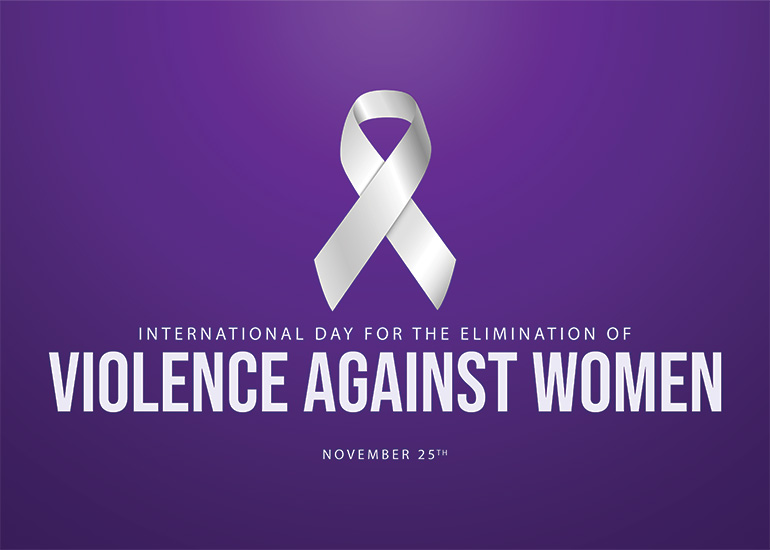
More than one in three Australian women will face physical or sexual violence in their lifetime. It’s an appalling statistic that shows just how urgent it is to break this cycle. Today marks International Day for the Elimination of Violence Against Women so it’s the best time to learn how you can take action, support survivors, and help drive real change.
Understanding the impact of domestic violence
Apart from the obvious impacts to women’s health and wellbeing there are economic impacts to domestic violence (DV) too. According to the Department of Social Services, DV costs the Australian economy approximately $26 billion annually, with victims bearing over half this cost through out-of-pocket expenses, lost income, and reduced quality of life. Victims often experience disrupted employment, absenteeism, or job loss due to injuries or ongoing abuse. And this financial instability compounds the long-term effects on their economic security
Violence is a complex issue that affects not just women but also their children, families, and communities. Lula Dembele, from the Independent Collective of Survivors, says ongoing support is essential for survivors to heal and move forward.
“Recovery from trauma is critical for breaking cycles of intergenerational violence and abuse. Governments must prioritise sustainable recovery services to enable survivors to rebuild their lives.”
Warning signs of abuse
Recognising domestic violence can be challenging, especially when it’s not physical. Some red flags to watch out for include:
- Isolation: Being cut off from family or friends.
- Control: A partner controlling finances, movements, or access to information.
- Intimidation: Threats, name-calling, or destroying personal property.
- Monitoring: Excessive jealousy or checking phones and emails.
If any of these sound familiar, it’s important to seek help. As survivor Simone O’Brien shares, “There is nothing to be ashamed about seeking help. You do not have to suffer in silence, and you can say NO.”
Support services making a difference
Australia is fortunate to have a range of organisations offering support to women experiencing domestic violence. Here are some of the key players:
1800RESPECT
1800RESPECT is a national helpline offering 24/7 confidential support for anyone impacted by domestic, family, or sexual violence. Their services include counselling, safety planning, and connections to local services. Visit 1800RESPECT for more.
Barnardos Australia
Barnardos is focusing this year’s 16 Days of Activism campaign on the impact of domestic violence on children. They’re hosting a vigil in Martin Place in Sydney on 26 November to remember women and children who have lost their lives to domestic violence. A teddy bear will be laid in honour of children who’ve died, alongside advocacy for community-led prevention. Find out more on their website.
White Ribbon Australia
White Ribbon Australia works to prevent violence by engaging men and boys in conversations about respect and healthy relationships. Their workplace programs aim to foster safe environments and gender equality, tackling violence at its root. Visit White Ribbon Australia for details on their initiatives.
The DFSV Recovery Alliance
This organisation provides tailored recovery services for women, children, and gender-diverse individuals. Their mission is to ensure survivors have access to trauma recovery support, breaking cycles of abuse. Learn more at DFSV Recovery Alliance.
Beyond DV
This Brisbane-based charity helps women and children rebuild their lives after escaping domestic violence. They offer counselling, education programs, and community connections to ease the transition to a safer life. Visit Beyond DV to explore their services.
How businesses and communities are helping
The fight to eliminate domestic violence isn’t limited to not-for-profits—businesses and community groups are stepping up too.
How startups can help
Businesses are uniquely positioned to support employees experiencing domestic violence, and recent changes to Australian legislation highlight this. Since August 2023, all employees working for Australian businesses gained access to 10 days of paid family and domestic violence leave.
This entitlement is part of a broader effort to ensure survivors can seek help without worrying about losing income or job security. Paid leave can be used for:
- Attending court hearings.
- Consulting with lawyers.
- Accessing medical or counselling services.
- Making safety arrangements, such as moving homes.
Startup founders can help by implementing clear policies, creating a safe space for conversations, and encouraging an open, supportive workplace culture. Additionally, participating in domestic violence training programs, like those offered by White Ribbon Australia, equips employers with the tools to recognise warning signs and respond appropriately.
White Ribbon CEO Brad Chilcott emphasises: “Small businesses can be leaders in driving cultural change. By supporting employees through policies and practices that prioritise safety, they help create a ripple effect throughout communities.”
What you can do
Preventing domestic violence requires a collective effort. Here are some ways you can contribute:
- Educate yourself and others about the signs of abuse and how to support someone in need.
- Speak up against sexist attitudes or jokes that perpetuate harmful stereotypes.
- Donate or volunteer for organisations like 1800RESPECT, White Ribbon Australia, or Barnardos.
- Advocate for change by supporting policies that prioritise domestic violence prevention and recovery services.
Breaking the silence
Survivors’ stories are a powerful reminder of resilience and the importance of timely support. Simone O’Brien, a survivor of a life-threatening domestic violence attack, is one of the many voices advocating for change. Reflecting on her journey, she shared: “I never thought I’d be in a situation like this, but now I see how critical it is to educate others about recognising the signs and speaking out. Help is available, and you don’t have to go through this alone”
Another survivor, Jenna, who sought help through 1800RESPECT, described how finding the right support made all the difference: “I felt trapped for so long, but the counsellor helped me see there was a way out. Having someone to talk to, who believed me, was life-changing”
Every survivor’s story reminds us of the resilience of the human spirit and the power of support. As Lula Dembele explains, “Recovery is possible, but it takes a village—friends, family, workplaces, and governments all have a role to play.”
If you or someone you know needs support, contact 1800RESPECT at 1800 737 732 or visit 1800RESPECT.org.au.






Daily startup news and insights, delivered to your inbox.