

















A developer on my team came to me recently with an unusual request: “Will, can you please give me more work? I’ve finished everything.”
That moment captured the promise – and the peril – of the AI revolution. Productivity gains are real. Finance professionals are drafting reports in half the time. Developers are coding faster. Small business owners are automating the drudge work and focusing on growth.
But as Australia embraces this transformation, three dilemmas are emerging. If we ignore them, AI will deepen inequality and erode trust. If we confront them, Australia has a unique chance to lead.
The problem of productivity theatre
Companies love to trumpet eye-catching figures: 70% efficiency gains, chatbots doing the work of hundreds. But scratch beneath the surface and the story rarely holds up. Quietly, those numbers get walked back.
This ‘productivity theatre’ sets unrealistic expectations, fuels hype, and undermines trust. Workers, shareholders and customers are left disillusioned. If leaders chase headlines instead of sustainable improvements, they set the stage for backlash.
The productivity gain dilemma
Even when the gains are real, there’s a harder question: who benefits?
Too often, efficiency flows upward to employers. Workers face higher output expectations – or worse, job insecurity. The dividends of productivity are being captured, not shared.
But it doesn’t have to be this way. Some companies are redistributing the gains: shorter work weeks, upskilling programs, or more humane workloads. These examples are rare, but they show the alternative. Without intentional design, AI won’t narrow inequality. It will accelerate it.
The productivity reversal
Then comes the paradox. As AI advances, authenticity erodes.
Insurance firms worry that AI-generated images can trick their claims systems. Banks are abandoning voice authentication as synthetic audio becomes indistinguishable from the real thing.
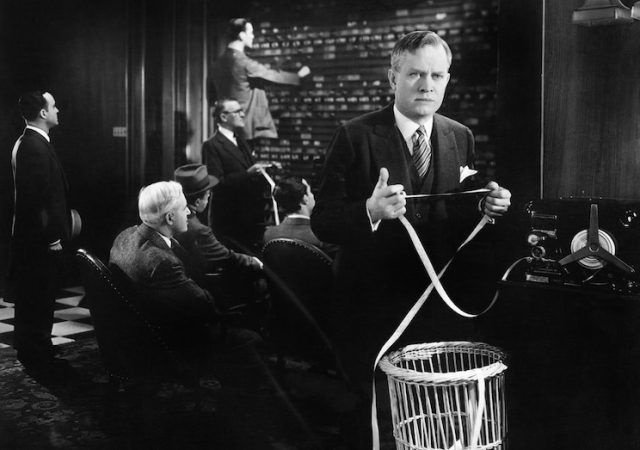
When trust vanishes, efficiency collapses. Processes that were once streamlined are forced back into slower, manual checks. This is the productivity reversal: the very technology meant to accelerate us risks bogging us down.
The way out: AI literacy leadership
These dilemmas all share a root cause: a gap in AI literacy.
When investors and boards don’t understand AI, companies can get away with inflated claims. When employees don’t grasp its limits, they can’t push for fairer sharing of gains. When society lacks fluency, deepfakes corrode confidence in digital systems.
The solution isn’t just better tools. It’s smarter people. And here lies Australia’s opportunity.
We won’t out-engineer Silicon Valley. We won’t out-scale China. But we can out-educate both. In a world where AI capabilities are becoming commoditised, the true advantage will belong to nations whose citizens and leaders can use them wisely.
Australia can be that nation. By investing in AI literacy – from classrooms to boardrooms – we can turn the productivity paradox into a productivity dividend.
AI isn’t failing to deliver productivity. It’s failing in how we understand, distribute, and trust it.
If Australia builds the most AI-literate workforce in the world, we can turn today’s dilemmas into tomorrow’s competitive edge.
- Will Liang is the CEO of Amplify AI Group.







Daily startup news and insights, delivered to your inbox.