


















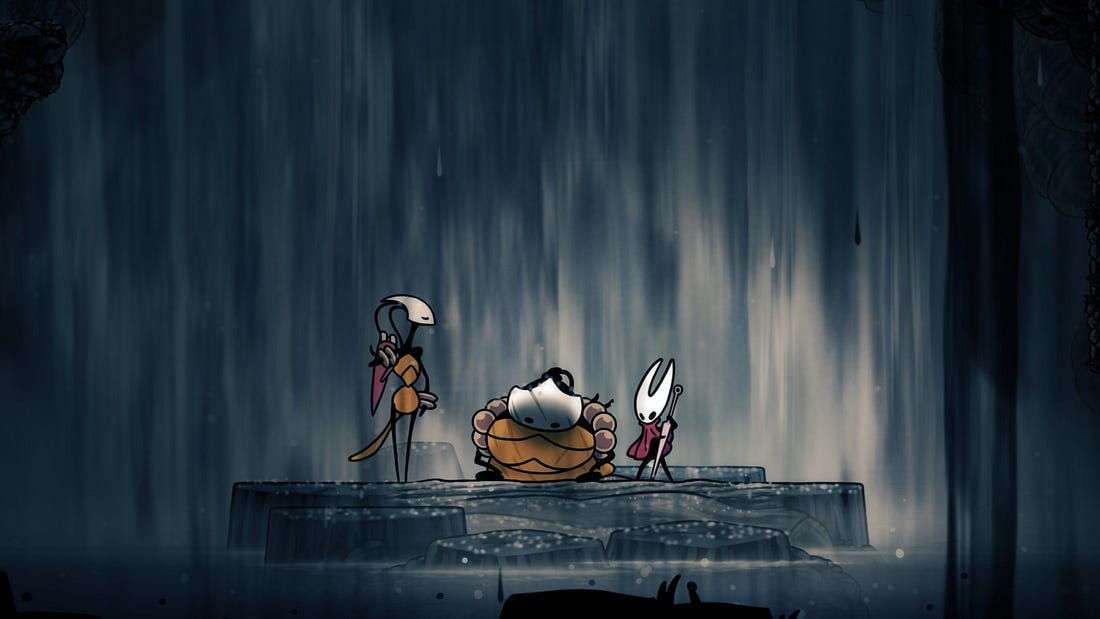
With a few thrusts of the needle, it was done.
After a gruelling 40 hours with Hollow Knight: Silksong, piloting Hornet as she navigated its world and defeated unique bosses who demand precision, I had beaten its final boss and the game. Or so I thought.
Delighted with my achievement, I quickly posted a note on Substack. Plenty of thoughts ran through my mind about how to describe this title that broke the internet on launch: It’s one that players will rage at but can’t stop playing, I mused. It raises some fascinating debates on difficulty and accessibility, yet it leaves the player with a sense of accomplishment that many other games can’t muster.
Then it dawned on me. This final fight seemed a little easy for the notoriously hard game. Earlier bosses required dozens of attempts; I cleared this one in just two. My instincts were spot on. There was more. A lot more.
I had finished Act 2, but there is a whole third act to this game, hidden inside a side mission. I could have cut my losses—credits rolled and the game even unlocked a harder mode upon completion. It suggested that this final third of the game seemed entirely optional, an out for players who have had enough. I had an inflection point: Would I continue? Surely I’ve seen enough to write a detailed review.
Despite feeling a sense of satisfaction with the game, I persevered. What ensued was a rapid escalation of the game’s difficulty. The first two acts were a warm-up: the true test had begun.
A quick primer on Hollow Knight
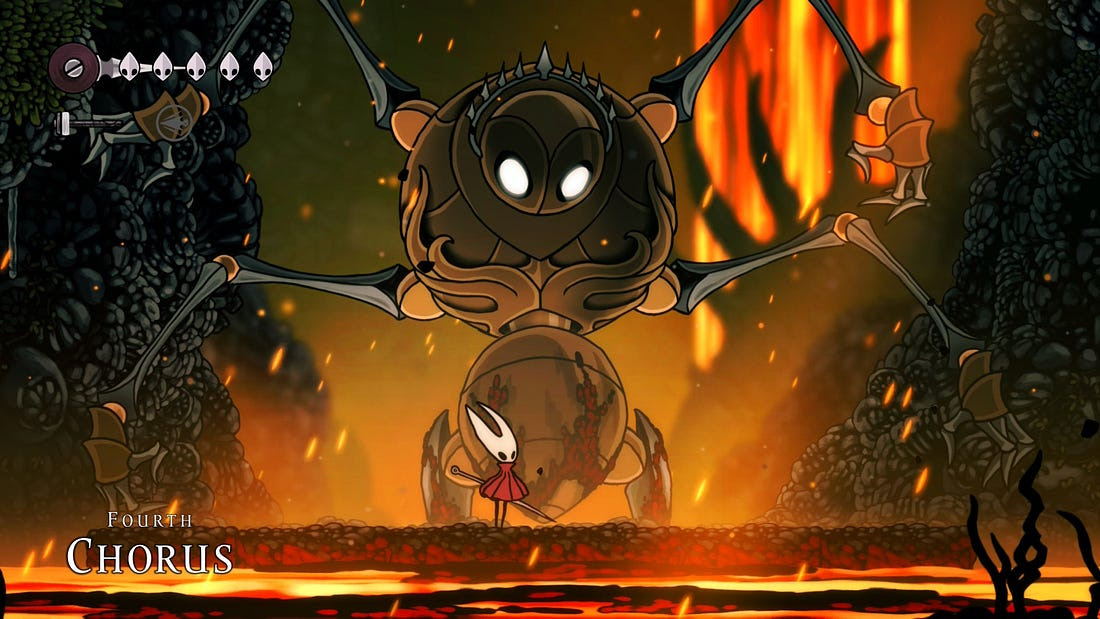
An early-game boss designed to teach the player about looking for openings in attacks.
Before delving a bit deeper into what is the main sticking point with this game – its difficulty – it’s worth explaining a bit about Hollow Knight: Silksong for those unfamiliar. Silksong is a Metroidvania game, a portmanteau defined by two major iconic 1990s video game series: Metroid and Castlevania. They are largely 2D platforming and exploration games, with combat woven into the mix.
Silksong is also a sequel. The first game, Hollow Knight, is a cult classic indie Australian game, selling 15 million copies in its lifetime. Its success triggered an obsession among the gaming press and broader internet about its sequel. This was a hotly anticipated game.
Delving into the game itself: most of the time is spent navigating Pharloom. It’s a world inhabited by anthropomorphic bugs that coexist in some form of collapsed society—a very grim version of Pixar’s A Bug’s Life. The protagonist, Hornet – a boss from the first Hollow Knight game – is captured and brought to Pharloom. She escapes, and what ensues is a quest for revenge that complicates as the game progresses.
Games like Silksong are often defined by their boss encounters. These are enemies that gate portions of the map or unlock upgrades for Hornet. These require a combination of pattern recognition and patience. The majority of your time is spent dodging, waiting for what’s called a “punish window” where you retaliate with your own strikes against them. As such, they often play out like a bit of a dance, where you learn the tells and respond in kind. The boss leads, and you follow. Often the biggest challenge is finding breaks in the action to strike.
A worthy upgrade
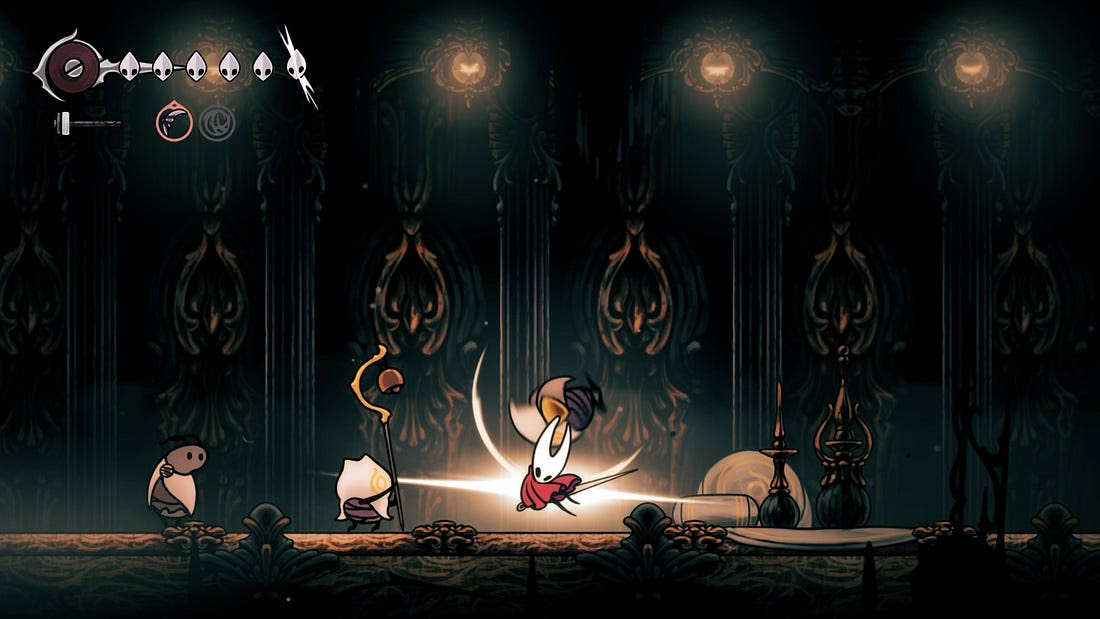
The odds really are against Hornet.
There are a few distinct upgrades from the original game. Hornet is arguably more versatile in combat than the original Hollow Knight. Healing is handled on the fly, at the cost of silk. Hornet generates silk by attacking enemies, leading to a dynamic where the best defence really is offence – albeit a cautious one.
She can sport various tools, movesets and upgrades you can earn across your playthrough; most routes off the beaten path are rewarded with these items. Both combat and exploration are aided by a number of movement abilities that you gain as you progress. Hornet starts off slow but quickly gains the ability to sprint, then wall jump, grapple to walls and finally double-jump. In some instances, boss battles are replaced by gruelling platforming challenges that block your path.
The true genius of Hollow Knight and its sequel compared to other games in its genre lies in its map design. Both the original and Silksong truly reward exploration. If you are gated by a boss, there’s almost always other paths you can explore to unlock more upgrades ahead of trying again. This seems simple, but these games are fairly on-rails, often forcing players down specific routes to guide the overall experience. Hollow Knight and Silksong jettison this idea, giving the player a lot of agency in how they progress and the pace at which they do so.
The whimsy of Pharloom
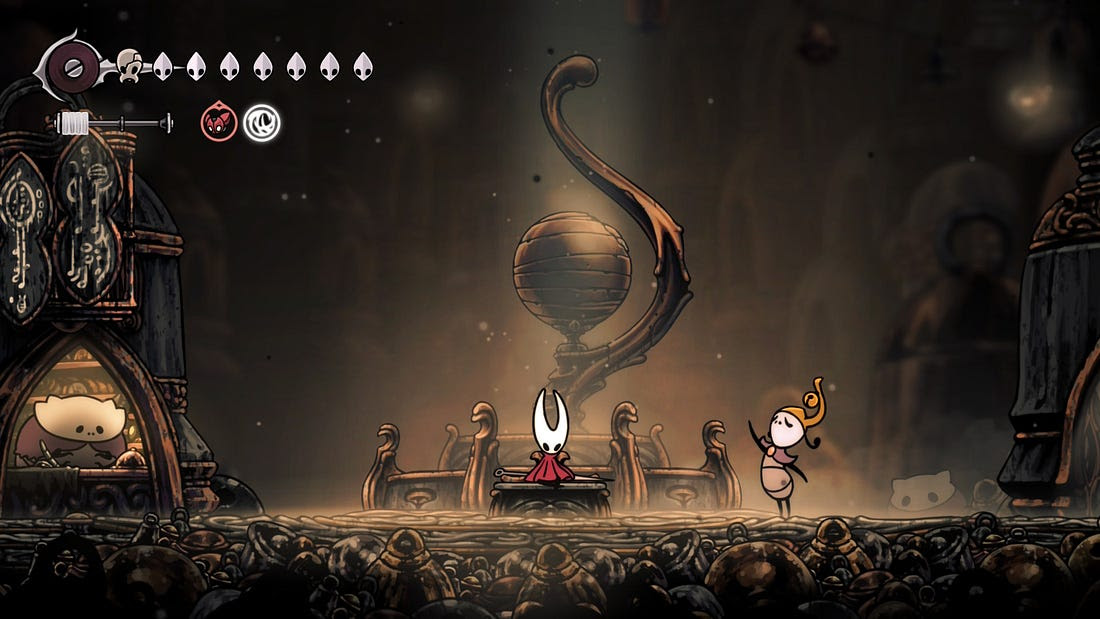
Bellhart, a central and welcome refuge from the wilds of Pharloom.
Artistically, the game is an absolute delight, far exceeding the original’s humble aesthetic. Pharloom’s environs are whimsical and colourful. The tunnels and ruins of the original Hollow Knight are replaced with dense forests, a vibrant volcanic area and an entire city constructed out of discarded bells.
While darkness was a core theme of the original game, this time around the map design plays with light, creating an ethereal tone that underscores most regions in the game. The sound design is engineered to match the religious undertones. Bells are a focal point of Pharloom’s rituals and culture, and the full gamut of this instrument features heavily across the game’s tracks. That swaps to strings in fights involving a lot of spider silk. There’s an attention to detail here that goes beyond a lot of other game soundtracks. It’s all also a low-key homage to Adelaide – where the game was made – which is colloquially known as the ‘City of Churches’.
Too much friction in the early game?
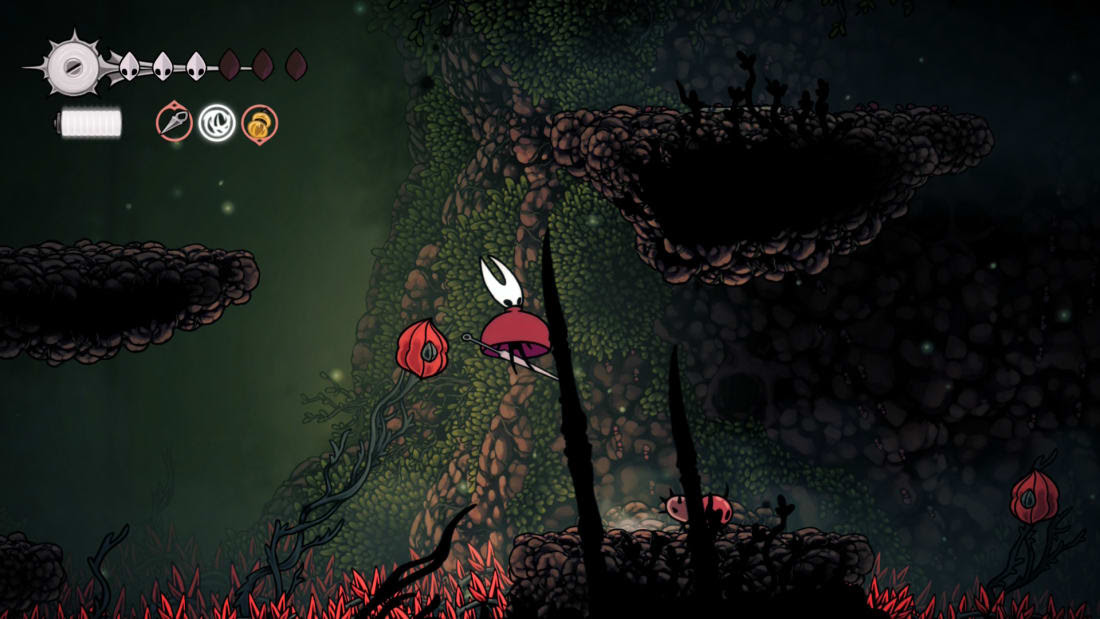
Hunter’s March, an optional and hard early game area that will scar a generation of gamers.
While veterans of the series will appreciate how quickly Silksong jumps into action, it will undoubtedly be a bit of a tough time for those new to Metroidvanias. The game affords few luxuries for the player early game, and that perhaps is the weakest part of its design. This was a tight needle to thread: too simple and it will upset veterans, too hard and you churn the player base.
For example: the compass – which helps you identify where you are on the game’s labyrinthine map -needs to first be purchased and then be equipped, taking up a valuable early-game item slot. Perhaps it was a decision aimed at harking back to when games weren’t as accessible and made the player earn everything. But there’s enough friction here already.
In addition, some early-game bosses can kill the player in as little as three hits. It’s no surprise that one of the most popular mods for the game is to remove enemies’ ability to deal two damage to Hornet in one strike. This is mitigated later on as you earn more life points, but not before you begin to dread it.
There’s a significant early-game penalty for death too. There’s an argument to be had here that these kinds of games don’t really need it. Dying will see Hornet drop all of her rosaries, an in-game currency used to purchase key items. Again, this is incredibly punishing early on. Late game, there are easier ways to farm this currency, and items that help retain it too.
Then finally, there are the runbacks—the distance between the respawn point and the boss room. For some strange reason, they are the most gruelling early game, where the player has less skill and fewer tools in their kit to handle bosses or the platforming challenges between them and the checkpoint. One notorious instance towards the end of Act 1 requires jumping through a near obstacle course between attempts of a very challenging boss. Yet later in the game in Act 3, where the game is trying to be harder, these runbacks are almost non-existent.
The game is never unfair. But on occasion, especially early on, it feels mean. In a world where game developers tend to obsess over the first portion of the title to not churn players, it’s debatable the second and third act of Silksong feels more tuned than its first.
Act 3: Worth the climb
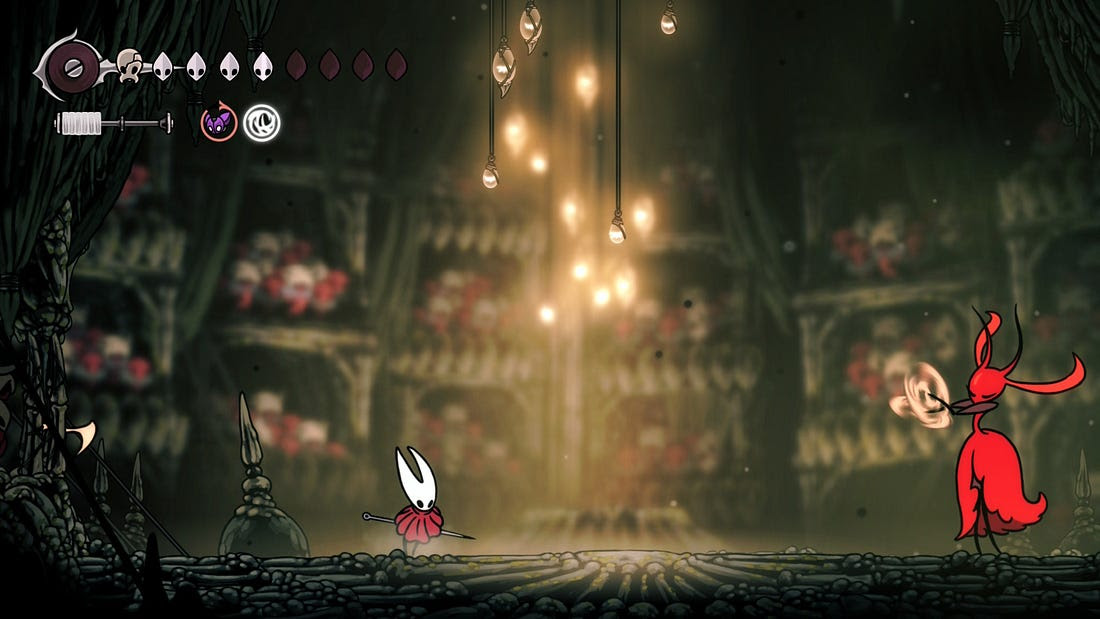
Beautiful and dangerous, this boss is a lot of fun but requires a lot of focus.
Speaking of Act 3, it’s fair to say this is the real challenge of the game. One area requires the player to defeat over 30 difficult enemies across three separate gauntlet rooms, all without reprieve. Die once, and you start again. Another boss requires you to master mid-air combat and wall jumping, as the floor gives way to a tapestry of brambles. Oh, and did I mention that regular enemies now occasionally do double damage? Sounds enticing, I know.
This said, Act 3 also hides some of the game’s best set pieces – a trend we’re seeing a lot more across recently released games. That includes one of its best bosses, a diva opera-singing war ant, who launches attacks with an almost flamenco dancing style rhythm to them that speeds up as the fight progresses.
There are also fun unlockable minigames that test your skills and serve as a sugar break from the gloom set in motion by the plot. The whimsy of the Coral Tower and the panic and tight platforming required for your initial volcanic escape from the Abyss early in the act are also absolute standouts of the game. The Silksong faithful are truly rewarded here for their perseverance.
By this point, the difficulty of the game is also somewhat balanced by the absolutely broken strategies you can run using tools and other upgrades. Savvy players won’t try to brute force and speedrun the game, but rather use Act 3 to collect up any missed items and use them to their advantage. This was my approach.
In a sense, Silksong feels a bit like an Everest climb. Many voyeurs will be happy to get to the end of Act 2—proverbial base camp, if you will—and call it a day. But the devoted will push on, reaching the end of Act 3 and conquering that summit. The sights are worth the journey. It’s smart design, allowing most players to feel a sense of accomplishment.
All of this and it’s still $30?
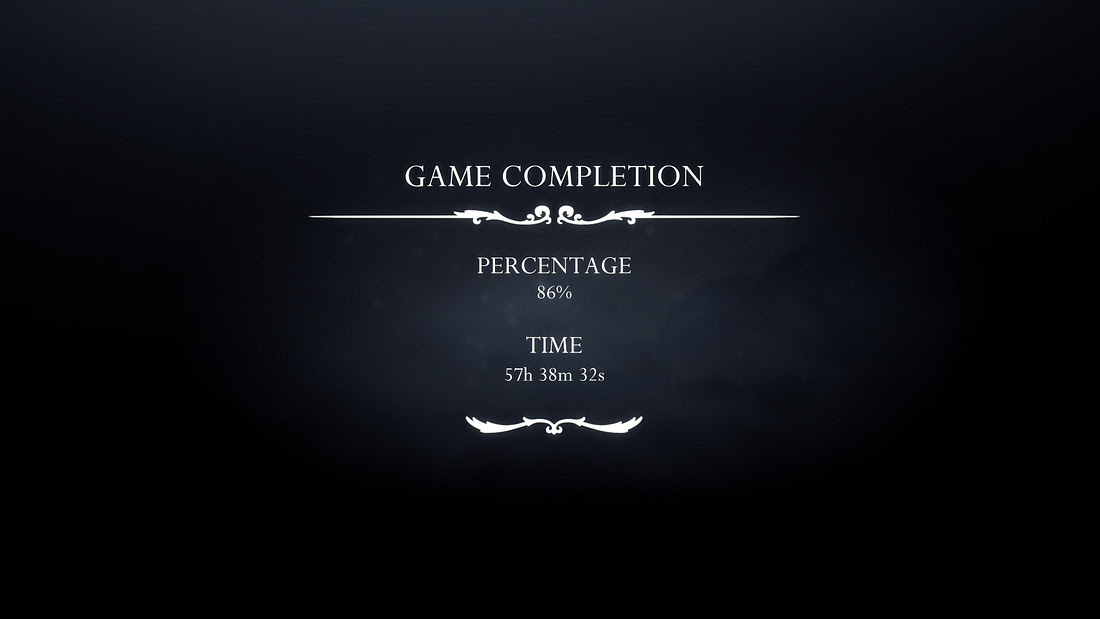
Proof that I actually finished the game.
Perhaps the cherry on the top of Team Cherry’s latest game is that despite its fame, acclaim and the quality of this game, it’s still $30 AUD. They could have asked a lot more, and players would pay it. If anything – and I can’t believe I’m saying this – in a year full of price increases, this cost perhaps undermines the innate value of a $30 gaming product. It’s the same cost as other games’ additional content.
For its asking price, it’s an incredibly attractive proposition for those looking to dip into this genre of game – provided they can bear with it. I’d happily recommend it. While the original Hollow Knight is free on most subscription services, the sequel here clearly surpasses the original and despite its early steep learning curve, is a better starting point.
After about 55 hours, I finally saw credits roll on Silksong again. This time, I notice and look on in awe at the fact that there were more people in the orchestra assembled for this game than there were working on its coding, testing, quality assurance and design. Astonishing.
A thank-you message appears on screen from the developers. It soaks in; I’m done. My methodical approach led to me seeing most of what the game had to offer, defeating the final boss within a dozen attempts, albeit clutching out a win with Hornet near death. The ending felt satisfying, complete. My frustrations, rewarded. My questions, answered. There was solace in its completion.
But it left me wondering: how many others will make it here? One overlooked facet of any tough and arduous climb – much like Hornet’s journey in Silksong—is that it can be incredibly lonely.
That’s a lot of words. A long review for a long game! Have you finished Hollow Knight: Silksong? Did you stop at the end of Act 2? Would you attempt Act 3? And what do you think of this trend around games hiding some of their best parts near the end as opposed to near the start. Let me know in the comments below.
Reviewed on: Nintendo Switch 2.
Worth playing if you like: Prince Of Persia: The Lost Crown, Ori and the Will of the Wisps, Metroid Dread, Animal Well.
Available on: Nintendo Switch, Nintendo Switch 2, Playstation 4, Playstation 5, Xbox Series X and S, Steam and many other platforms.
- Harrison Polites writes the Infinite Lives newsletter. Follow him here.
Sign up for his newsletter below:
- Infinite Lives is a reader-supported publication. It’s free to sign up and read the latest piece, but as of July a subscription will be required to read Harrison’s backlog of over 70 unique articles. Each subscription goes towards improving his Substack, supporting the broader Substack gaming community and funding more independent games journalism in Australia.





Daily startup news and insights, delivered to your inbox.