

















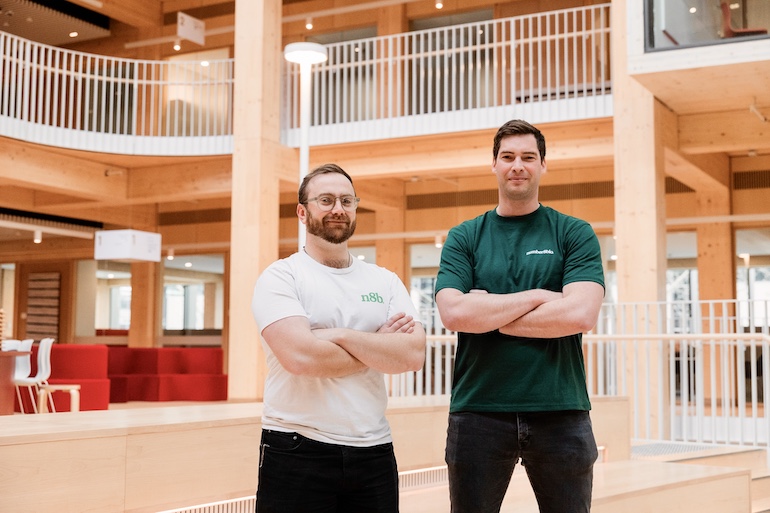
A Sydney startup looking to reduce methane emissions from livestock has raised $11 million in a Series A.
The round for Number 8 Bio was led by Kiwi VC Icehouse Ventures with support from existing backer Main Sequence, as well as Japanese climate VC One Innovators joining the cap table.
Japan is Australia’s second largest beef export market.
In September 2024, CSIRO-backed Main Sequence led a $7m Seed round with support from Breakthrough Victoria and The March Group.
Number 8 Bio was founded in 2022 by Dr Tom Williams, and Dr Alex Carpenter and took part in the UNSW SynBio 10X Accelerator that year, winning the Positive Impact Award.
Number 8 Bio is using synthetic biology to create a cost-effective solution to dealing with enteric fermentation (burping) by livestock, a major source of agricultural methane – around 70% of the agricultural greenhouse gas emissions in NSW. One estimate suggests ruminant burps are responsible for around 10% of Australia’s total reportable greenhouse gas emissions.
The startup has developed a cost-effective organic small molecule that can be manufactured in Australia.
This Series A will fund large-scale animal trials, regulatory approvals for expansion into New Zealand, Europe, and the US, and getting the startup’s feed additive and a slow-release capsule for cattle, which lasts up to six months, ready for commercial release in 2026.
Number 8 also plans to introduce a carbon-insetting program for farmers and supply chains to claim verified emissions reductions.
While there’s been no shortage of startups hoping to tackle the problem using seaweed-based supplements, including Rumin8, which scored $17 million in 2023 from the likes of billionaires Bill Gates and Twiggy Forrest, But the problem seaweed solutions face is production costs remain t0o high to deliver an ROI for farmers using it.
CSIRO got behind its own joint venture with Meat & Livestock Australia and James Cook University, FutureFeed, in a $13 million raise in 2020. A $90 million plant to produce methane-reducing cattle feed is being built in South Australia, while Sea Forest scored $34 million in 2021 for its seaweed growing farm in Tasmania in 2021.
Initial trials of the Number 8 product found an up to 90% methane reduction and improved rumen fermentation.




Daily startup news and insights, delivered to your inbox.