


















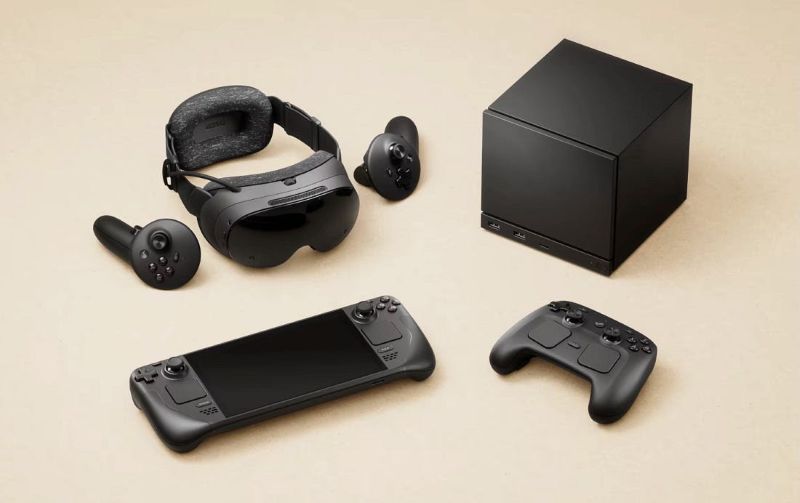
Valve sure knows how to blow up the internet.
Less than a couple of weeks, stories are still flowing thick and fast about every available ounce of information on Valve’s new gaming machine.
The latest? It’s confirmed (more or less) that it won’t bundle a new Valve original game, like Half-Life, with the device.
For those unfamiliar, the creator of the game marketplace Steam will next year launch a console device aimed to sit under your TV (or PC) screen, with specs comparable to the Xbox and Playstation 5.
It’s bringing one of the world’s largest, most active marketplaces to a console audience. One that thrives on game discovery, discounting, user reviews and serving as a platform for every niche title imaginable.
This actually has massive implications for Australia and our local indie game development scene. Perhaps more than many other markets.
To say Australian game developers fixate on Steam would be an understatement. For many, a core marketing strategy for their game often involves being visible on the platform and being featured on its showcases and lists.
So rather than dig into Valve’s every utterance on this new game cube, Infinite Lives put the question to four Australian game developers about the new device.
Here’s what they had to say:
Mike Roberts, The Kids From Yesterday, Dolven & Adventure Calls
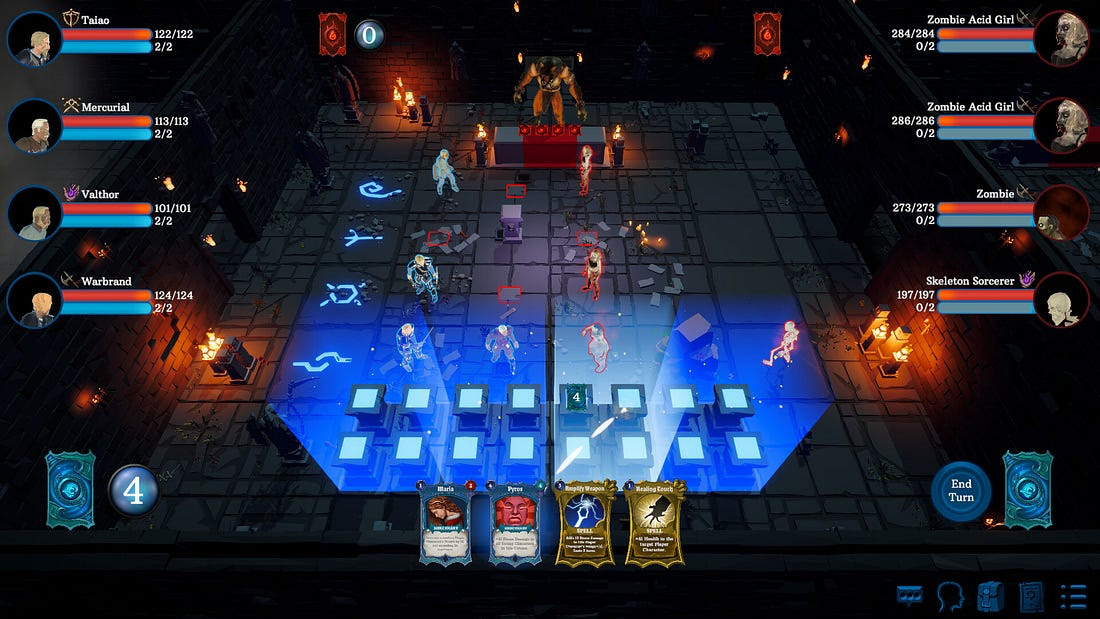
The Steam Machine genuinely excites me—both as a lifelong gamer and as someone who makes games for a living.
It feels like Valve’s Wii moment: not in design or target audience, but in blue-ocean ambition—dramatically growing the total number of people who play what we think of today as ‘PC-style games’. That kind of swing is what our industry needs right now.
For Australian developers, meaningful growth in the global Steam audience is massive. More players = bigger potential reach for every indie title we bring to life, especially more niche or experimental games. If the Steam Machine converts even a small slice of console-only households into Steam households, we’re looking at thousands—maybe tens of thousands—of extra sales for local studios that wouldn’t happen otherwise.
As a gamer, I love the idea of another high-quality, console-simple box at a sane price that drops you into the best library in the world—where you can play our games—with no subscription wall to play online with mates. The interchangeable faceplates I suspect will create much love. That little magnetic square is going to birth some absolutely.
Al Thumm, Lamplight Forest, After Light Fades
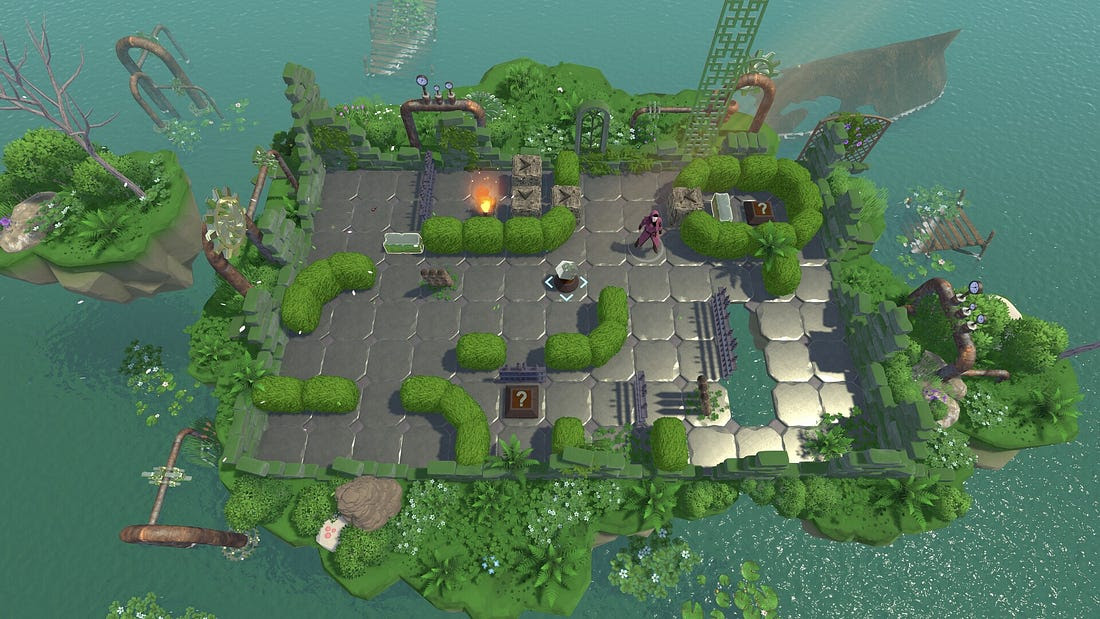
When I saw the Steam Machine announcement my first thought, like a lot of people I’m sure, was “didn’t they already do this a few years ago?”, but I watched the trailer anyway, more out of professional curiosity than as a consumer. It all seemed fine, but I initially didn’t give it a second thought.
But when I thought about it later that day I realised that very gradually, over the course of the last year or so, I’ve almost completely stopped playing games on consoles. I still play a lot of games, but almost exclusively on Steam, and I’m sure I’m not alone in tending in this direction.
Why the transition? I think it’s a lot of little things. Steam’s ecosystem has had a rhizome type of effect. They’ve done a lot of work to make controller support excellent for players and easy for devs to get right. We get constant reminders of Steam wishlists and sales to our inbox. Steam is probably the easiest store to search and filter your searches. It’s easy to organise your library of games (increasingly important as so many gamers are managing a backlog of stuff to finish), Steam communities, forums, guides, reviews, etc, etc. The connectivity and community of their ecosystem just grows and grows.
And so an affordable alternative to a $5000+ gaming PC is starting to make more and more sense – and one that you can plug into your TV to sit on your couch and play? Yeah I’m definitely wondering if I’d need to buy another console again. The only remaining compelling reason? Nintendo games aren’t on Steam.
Aaron Vernon, Split Atom Labs, Land of Livia
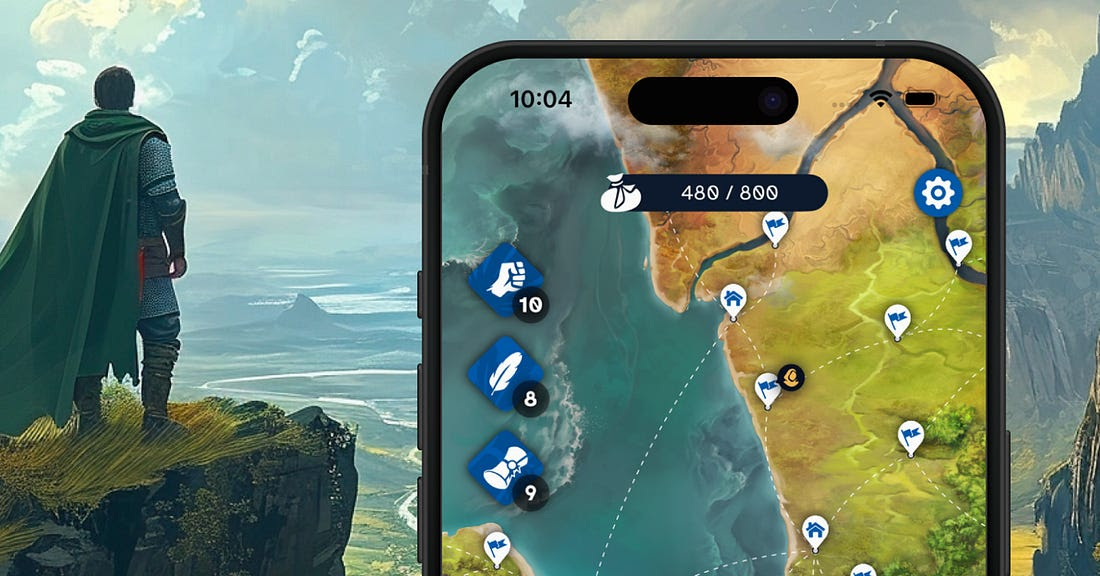
I’m optimistic about what Valve’s new Steam Machine means for the Australian games industry. For years, Microsoft, Sony, and major AAA publishers have struggled with rising development costs and a market that now competes with all forms of entertainment. Netflix Games, YouTube Playables, and Satya Nadella’s comment that “gaming’s competition is short-form video” all reflect this shift.
The incumbents know they need broader audiences, but they often get trapped by their core fans. Efforts to evolve trigger backlash, followed by walkbacks that stall progress. Activision’s push to bring Call of Duty: Warzone to mobile is a recent example, launched in 2024 and shut down a year later.
Valve’s approach, first with the Steam Deck and now the Steam Machine, is different. As a private company with deep user trust, they can expand into casual and lounge-room markets without being derailed by short-term turbulence. Plus, their publishing platform embraces indies and experimentation.
This creates a real opportunity for Australian developers to think beyond core audiences and explore shorter, pick up & play experiences that fit naturally alongside other forms of modern entertainment.
Joe Gibbs, JG Games, Fall of an Empire

I’m going to go out and say that the Steam Machine will be a hit. Mark my words and tell me I’m wrong in five years. That it’s a PC as well as a game console – and apparently “better than 70% of current gaming PCs” – and provides access to the biggest (non-mobile) game store, at apparently a price under the current-generation Playstation and Xbox means that it will be a no-brainer for consumers.
For the developer side it’s also looking positive: indies will be able to target the same kind of experience that’s best on consoles without the price and hassle of a development kit for those consoles. An Xbox dev kit goes for around $3000.
Hopefully what we will see in the future – for the next generation of major consoles – is that they take a further step toward greater interoperability between PCs and consoles.
This is something that’s more feasible for Xbox with Windows, and although they previously took some heat when the Xbox One was marketed with a reduced emphasis on gaming I think that it’s possible that the new Steam Machine may show that this is something that consumers are interested in.”
What do you think of the Steam Machine, and do you see any other implications that perhaps the devs here have missed? Let me know in the comments.
- Harrison Polites writes the Infinite Lives newsletter. Follow him here.
Sign up for his newsletter below:
- Infinite Lives is a reader-supported publication. It’s free to sign up and read the latest piece, but as of July a subscription will be required to read Harrison’s backlog of over 80 unique articles. Each subscription goes towards improving his Substack, supporting the broader Substack gaming community and funding more independent games journalism in Australia.









Daily startup news and insights, delivered to your inbox.