


















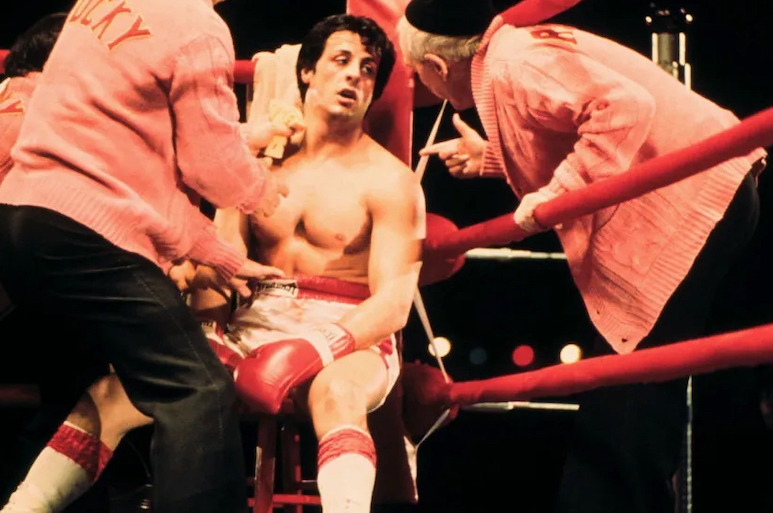
“Experience is a hard teacher because she gives the test first, the lesson afterward.”
This insightful quote from the famous 1960s American baseball player Vernon Law perfectly encapsulates the entrepreneurial journey.
While experience may be a hard teacher, the spirit of winning and losing is governed by lady luck.
Entrepreneurs must navigate continual learning, with some lessons costing only lost opportunities and others demanding significant cash and time.
Startup failures are always both costly and, worst of all for the entrepreneur, public. These public lessons are scorched into the entrepreneur’s mind, ensuring they are not easily forgotten.
Turning the page on failure
The good news is that the next page of your success story has just been turned.
The primal human instinct for revenge may now take centre stage and motivate you.
As Frank Sinatra once said, “The best revenge is massive success.”
This quote, often attributed to one of the greatest American singers of the 20th century, serves as a powerful reminder that success is the ultimate response to failure.
Steps to build your bounce-back campaign
1. Time to Listen
When your great new idea has failed, you may not have much to sell at the moment.
Be bold enough to express to your associates that you are surprised by your failure. This will motivate them to fill in the blanks for you.
Letting others talk can distract you from self-pity and actually make others happy—a public service of sorts.
2. Revisit Your Business Plan
Revisiting your business plan, now a sad document, will remind you of your dreams and false confidence.
Hidden inside are lessons that others won’t know, given that few people would have read your business plan.
Reading and crying may be your first reaction, but then read and review with clear eyes.
It may have been a good plan, but perhaps lady luck was not on your side this time.
3. Analyse Cash Flow Assumptions
A cold-hearted look at the business plan will take you to the cash flow assumptions.
Regardless of how you got there, you now know that there is a lesson to be learned. There is no denying that if there had been ample cash, there would have been no startup failure.
Many startups are overly optimistic and exhaust their cash reserves. A lesson may be hiding in plain sight.
4. Reflect on Team and Goals
The next phase is to consider what should be done differently.
Was the team assembled based on false assumptions? Maybe you oversold the idea to yourself and others who tagged along. Perhaps you were too trusting of others.
A hard-hearted approach to the project’s goals, rather than trying to keep others happy, may be necessary.
As Leo Durocher, known as “perhaps major league baseball’s best example of the win-at-all-costs manager,” famously said, “Nice guys finish last.”
5. Bounce Back to Revenge
Renaming your campaign from ‘Bounce Back’ to ‘Revenge: Seeking Massive Success’ marks a significant mental shift. The timing of this change will vary for each entrepreneur.
Deep down, or perhaps not so deep, there may be an alternative to the last less successful great new idea.
Great New Idea B is now worth reviewing, possibly with different team members, a different structure, and certainly with a different team leader who has learned a few lessons from that hard teacher called experience.
According to a classic study from Harvard Business School, previously successful repeat entrepreneurs are almost twice as likely to succeed in their next venture compared to first-time founders.
This is great news—you have doubled your chances of success just by bouncing back. Now, calmly plan to prove to all and sundry that you are a successful entrepreneur who will not be too boastful should massive success come your way.
- Alan Manly is the CEO of CampusQ and author of The Unlikely Entrepreneur. More at alanmanly.com.au









Daily startup news and insights, delivered to your inbox.