












As Payday Super comes into force, along with growing focus on artificial intelligence, Employment Hero founder Ben Thompson identifies 5 key trends he believes will play a role in the world of work in the year ahead.
1. Compliance and cash flow will be the dominant pressure point for employers
Australia is already one of the most complex countries in the world to run a business and 2026 will raise the bar even higher.
Last year we saw major compliance legislation come into effect under the Closing Loopholes law – like the right to disconnect and criminalisation of wage theft – and we’ll likely start to see enforcement of these laws in 2026.
Plus, the biggest financial regulatory shift for employers in more than a decade is now locked in: Payday Super.
From 1 July 2026, employers will need to pay super within seven business days of every pay run. What was once a quarterly obligation becomes a real-time payroll cost, and that shift will place significant pressure on working capital and cash-flow planning.
Employment Hero modelling shows the average SME will need around $124,000 in additional working capital under the new rules.
For many businesses, that’s a structural change to how they operate. Coupled with rising inflation and potential interest rate hikes in 2026, it may push some businesses to the brink.
Getting ahead of these changes is critical – we’ve released a free Payday Super Calculator that shows the exact cash-flow impact for any business. Employers who plan early will enter 2026 with clarity and confidence and avoid scrambling when the new compliance era begins.
2. AI ROI will depend on workforce training
If 2025 was the year businesses experimented with AI, 2026 will be the year they feel the results of whether they invested in training.
Human capability will matter more, not less, and the companies that win will be the ones that upskill their people.
Our recent survey shows half of Aussie employees are already using AI weekly. But workers are sending mixed signals. A quarter believe AI is already reducing job opportunities, particularly younger Australians.
Yet 71% feel confident adapting to new technologies, and access to training is one of the strongest predictors of retention. Employees don’t fear AI itself, they fear being left behind.
Yes, AI will all but wipe out repetitive admin work, but history shows technology creates more jobs than it destroys. By 2027, new entry-level roles will emerge. Data proves that employers increasingly want people who can think critically with AI, not just use it.
Prompting, evaluating and applying AI tools will shape hiring decisions and define tomorrow’s businesses. The most valuable workers won’t be system experts for life, but those who stay curious, flexible and ready to learn.
3. Flexibility will extend to pay, hours and expectations, not just location
Flexible work is evolving fast, driven by financial pressure, shifting demographics and new regulations. We’re already seeing this in how Australians manage their money and their time.
Earned Wage Access, which allows workers to access wages before payday without taking out a loan, hit record highs in October. Younger workers are leading the trend, using frequent withdrawals to bridge rising costs and high-spend moments like Black Friday and Cyber Monday.
Our Annual Jobs Report shows poly-employment has gone mainstream, with 1 in 3 Australians holding more than one job, while total hours worked continue to fall despite job growth. Plus, 3 in 4 say they’d prefer to work on-demand rather than on a set schedule.
People are reshaping work around financial reality, not the other way around. Flexibility is no longer just about where people work. It is becoming a framework for how Australians manage hours, income and expectations in a tougher economy.
4. Tech and AI will help clean up the job market
The job market has felt chaotic for a while. Job seekers spend hours applying only to get ghosted and hiring managers are drowning in CVs without making a dent. Our research shows six in 10 Aussies have put off looking for a new role because the process is so frustrating, with ‘ghosting’ being the number one gripe. In 2026, that friction will start to ease.
AI-driven recruitment tools will move to standard practice to help take the legwork out of the process and allow more time for the parts that matter most. Instead of spending hours on admin, employers and candidates can focus on personalised questions and interactive tools to actually get to know each other.
We’re already seeing businesses like El Jannah save hundreds of hours by using our AI tech to help screen candidates, and they’re making hires in just three days. We’ll also see less ghosting as a result since this tech allows more applications to be properly reviewed.
For job seekers, applying for work has become a part-time job. That will change too. We’ll see the rise of a single, portable application profile that lets people fast-track applications across platforms. It’s the same logic that powers the Common App in US universities, and the technology is catching up. As more employers adopt it, candidates will spend less time on repetitive admin and get more of their lives back.
2026 will be the year hiring becomes simpler, faster and fairer for everyone involved.
5. Atomised work meets a global talent pool
Work is becoming atomised, more fluid and far less tied to geography. Employers want access to the best talent at the best price, and workers want options that fit their skills and lifestyle.
The rise of borderless hiring means SMEs can now compete globally for capability they never thought they could reach. At the same time, domestic labour is shifting toward on-demand, task-based work that helps businesses scale up or down and helps workers maximise their earning potential.
The frictions that once made it hard to manage multiple roles or find short, meaningful bursts of work will fall away as new platforms make this model simple, compliant and productive.
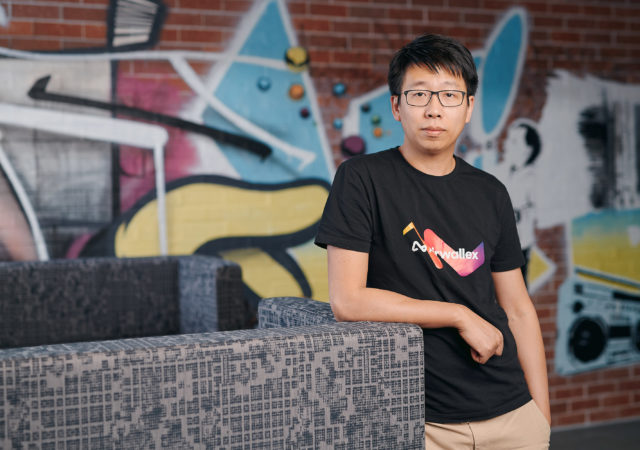
- Ben Thompson is CEO and cofounder of Employment Hero.







Daily startup news and insights, delivered to your inbox.