

















Eckhart Tolle once said, “Awareness is the greatest agent for change.” In a world that’s moving faster than ever, this quote couldn’t be more relevant – especially for leaders and staff burning the candle at both ends, both professionally and personally.
Having a front row seat to leaders and businesses for the past decade as the founder of GreenX7, I’ve watched as organisations constantly monitor everything from financial performance to supply chains and staff turnover.
Yet, when it comes to personal performance, energy, and well-being, most of them are flying blind.
Burnout doesn’t arrive like a thunderclap – it creeps in like fog: subtle, slow, and often undetected until it’s too late.
But burnout rarely travels alone. It brings with it disengagement, presenteeism, and a quiet erosion of performance.
What if you could catch it early? What if a simple ‘battery check’ could offer the awareness to recharge everyone, before you or your team reach breaking point?
The power of the battery metaphor
Every single day we reconnect and recharge our technology, from phones, laptops and even smart watches, but how often do we do it for ourselves?
At our company, we’ve built our Employee Empowerment Program (EEP) around this exact idea with a ‘battery check’. It’s a short 60-second self-assessment which gives individuals a quick, visual snapshot of where they’re at: physically, mentally, emotionally.
From there, the platform offers a range of tools to help recharge before performance, mood, or motivation plummets.
It’s simple, practical and it works.
EEP vs EAP: Proactive vs reactive
Traditional Employee Assistance Programs (EAPs) serve a valuable purpose but they’re lagging indicators. They often step in when someone is already in crisis. It’s reactive support, not proactive empowerment.
The EEP approach flips this model on its head. It’s not about waiting for roadside assistance, it’s about teaching them to change their own tyre before they’re stranded on the side of the road.
When your people check in with their battery, they build self-awareness, emotional intelligence, and resilience.
They’re empowered to take action early and begin to understand patterns – how poor sleep, poor nutrition, or relationship stress impacts their work, mood, and health and this insight creates momentum.
Awareness then becomes habits – and good habits build better culture which leads to better performance.
Why this matters
As a business owner or leader, your energy sets the tone for your entire organisation. If you’re burnt out, anxious, or scattered, your team feels it. Your culture absorbs it and your results reflect it.
That’s why the EEP isn’t just a “well-being program.” It’s a business performance tool.
Imagine if your people were showing up each day recharged, aligned, and focused, not because they were told to, but because they actually understood how and why to care for themselves.
That’s what connected leadership looks like in the modern workplace. You’re not outsourcing wellbeing, you’re embedding it.
The bigger picture
According to the Productivity Commission’s landmark Mental Health Inquiry Report, the combined cost of mental ill health and suicide to the Australian economy is estimated at up to $220 billion annually.
This figure reflects not only direct healthcare expenses, but also lost productivity, reduced workforce participation, and the broader social and emotional toll.
For business leaders, this isn’t just a public health issue, it’s a significant economic and cultural one.
But the real cost is deeper – fractured teams, lost talent, disengagement, and culture rot.
This isn’t just about being nice to your staff, it’s about protecting the engine that drives your business and that engine is your people.
When your team thrives, your business thrives. When your leaders are energised, your culture becomes magnetic. When everyone knows how to recharge, the whole organisation runs better, smarter, faster, more sustainably.
The battery check isn’t just a gimmick, it’s a leadership mindset, a culture builder, a strategic edge and should be measured just like any KPI. But this one is your HYB.
So next time you ask your team if they’re OK, go a step further and ask them the HYB question: “How’s your battery?”
Then give them the tools to actually do something about it.
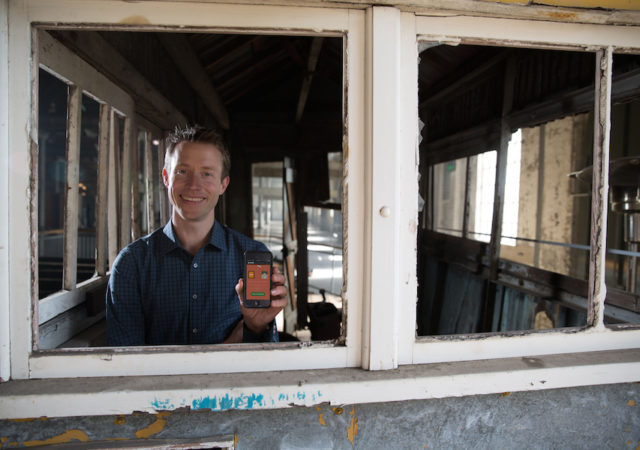
- Tim Jack Adams, author of Energised: The Daily Practice of Connected Leadership and Sustainable Wellbeing (Wiley $32.95), is the founder of Greenx7.






Daily startup news and insights, delivered to your inbox.