

















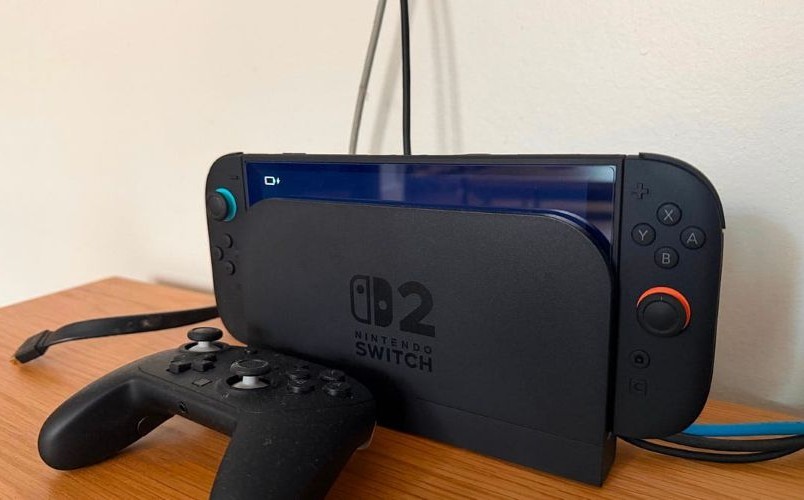
Of all the games to make me question the Nintendo Switch 2 ecosystem, I never could have guessed it would be remake of Yooka-Laylee.
Made by some of the team behind the Nintendo 64 classic Banjo-Kazooie, Yooka-Replaylee has been on my radar for a while now. I felt the original was good, but needed a bit of polish. So when I saw the game on the Switch 2 eShop, I thought, why not? It’s a decently powerful console. I played the original on my Switch with no issues. Surely this would be the same.
Well, as it turns out, it’s one of the weakest versions of the game, with a capped frame rate that dips even lower at certain moments. There’s promises floating around to patch this, but no concrete dates. Despite Nintendo buffing the power on its latest console, the trend of developers releasing reduced versions of their games on the Nintendo consoles persists, all without advertising any differences on the eShop listing.
This has happened to me before. I bought Palworld on Steam Deck, expecting it to perform similarly to the PS5 version on the device, albeit scaled down. No prizes for guessing, but it did not. Yet on Steam, this was a simple return. I booted it up, saw it wasn’t playing the way I’d like, closed it immediately, submitted a return and — given I’d played less than two hours — got equivalent funds back in credit in less than a day.
I tried the same thing with Yooka-Replaylee. Wrote a thoughtful email to Nintendo requesting a refund as the version of their game — similarly priced to other console versions — was an inferior copy to others retailed at the same price, adding that this was not advertised by them on the eShop page. What followed was an automated email, giving me a minimum half an hour of work to record video of the game and log all faults to then qualify for a return. Being a tad cynical, it’s likely to stall out any further queries. It worked.
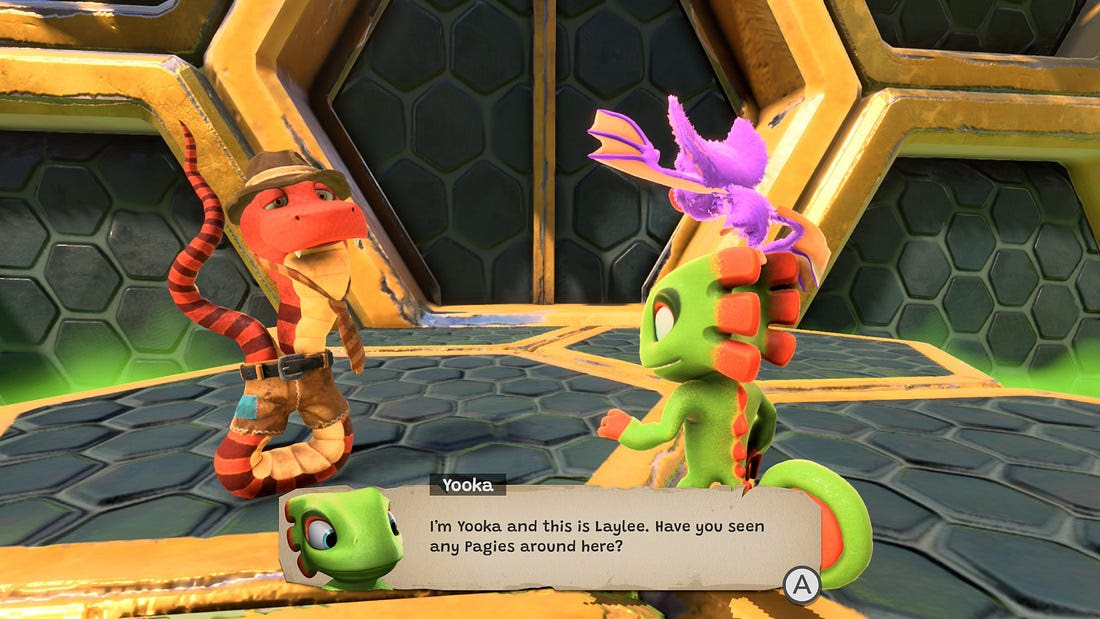
Yooka-Replaylee: Still a fantastic looking game on the Switch 2, I just wish it played at 60 frame-per-second like it does on almost every other device.
This is just one example of how Nintendo is lagging behind the times when it comes to the new digital world. And while once it was a quirk, as this generation of devices unfurls, it’s becoming a mitigating factor for the company and its devices. One that limits it to being a vehicle for Nintendo games, and that’s about it.
But… The hardware is brilliant
Let’s pull it back a little.
Six months on from purchasing the Switch 2 at launch, I can’t speak more highly of the device itself. From a hardware perspective, it’s an improvement on the original Switch in almost every way — except for the lack of an OLED screen. It runs smoothly, the Joy-Cons feel more substantial, the new Nintendo games look great. While it’s not my focus, from what I have read and heard, Nintendo has a sharp focus on parental controls, which make it a standout device in this regard. Also, when it comes to device-exclusive games, it can’t be beat. I’m beyond excited to (finally) play Metroid Prime 4: Beyond this weekend.
There are still plenty of reasons to buy a Switch 2, and I’m not alone in my thinking here either. The device will no doubt have stock issues globally this Christmas, as it’s selling like hotcakes. Nintendo has revised up its estimates for Switch 2 sales, after announcing over 10 million units sold in less than three months from launch this year. It’s the fastest-selling gaming device of all time, and it hasn’t even seen a holiday season yet.
However, as an early adopter, my Switch 2 is gathering dust. The last time it got a good workout was with Pokémon Legends: Z-A back in October. That’s largely because I’m hesitant to download anything but Nintendo-exclusive games on the device.
The limitations of the Switch 2
There are a few reasons for this. First and foremost: I’m not sure it will run well, as seen with Yooka-Replaylee. But there are other factors too. I just can’t do as much with games that I purchase on the Switch. I can’t easily share the game with a family member or second device. And crucially, there are other more robust ecosystems, with a higher bar for quality control that now have portability baked in — the primary point of difference for the original Switch. Valve’s Steam ecosystem being the go-to example.
I had a run in with that second major sticking point earlier this year, when I donated my old OLED Switch to my seldom-gamer brother. I wiped it, in order to transfer all of my games across to my new device. He wanted to play Zelda: Breath of the Wild — a near 10-year-old game. I suggested that with Nintendo’s new system, I could lend him the game, a featured touted with the release of virtual game cards.
Little did I know that in order to do so, I had to physically go to his house with my Switch 2 in order to transfer it to him. Literally hold the console within centimetres of his to initiate the transfer. Given he was hours away from a flight interstate he ended up just buying the game himself.
I understand the logic here. It would be like physically giving my brother the game card. It’s an anti-piracy measure. It perhaps encourages additional purchases of games that cost money to make. They absolutely deserve adequate renumeration. I get it. But… it’s 2025.
Game lending between at least one trusted, verified family device over the internet is a readily available feature on most other game systems. So much so, that I didn’t assume I’d have to cart my Switch 2 over to his house to do it.
The persistent eShop problem
Speaking of other ecosystems, the Nintendo eShop, despite a redesign for the better on the Switch 2, is still haphazard. While efforts have gone into fixing this, game discovery is still difficult unless you already know what you are looking for. This strongly disadvantages and discourages indie developers from committing to the ecosystem.
There’s so much opportunity here. This can become a community hub, a way to share game experiences among friends, and curate user reviews. Instead, thanks to the store surfacing them for me, I now know of weird flying simulators and obscure pop-up dating sims that I’d never buy. These games are getting equal weight on the store against those that took years to create, and a significant chunk of their development budget to port.
All of these complaints are fixable. The Switch 2 eShop has already improved since launch. And further to this, Valve went through a similar transformation of its Steam store years ago when faced similar criticisms. They are software updates, though some require a shift in mindset from Nintendo. In fact, what the Switch 2 looks like now as an ecosystem could be totally different in years to come.
Can Nintendo stay ahead without change?
I have no doubt that Nintendo’s Switch 2 will continue to sell, even with only a handful of Nintendo exclusive games available right now. As I said, it’s a great device for the current market. Iteration over total innovation of the Switch was the right call.
Years down the line though, as Steam expands into consoles with the Steam Machine, PlayStation properly embraces portable gaming and Microsoft maybe manages some kind of tangible pivot, I’m not so sure.
Nintendo’s strength has always been its first-party games. The likes of Mario, Zelda, Pokemon and Donkey Kong are only playable on its consoles. But as devices and games both grow more expensive, and the release times between major games continues balloon, this should give the most devout Nintendo fan pause.
In terms of price: We’ve seen this dynamic recently emerge with streaming services. Where once they were all cheap enough that you could own several of them, now increasing prices are forcing customers to chop and change their subscriptions. This is a strategy, a means of stifling emerging competition by taking up more of your wallet. And I wouldn’t be surprised if we see the same dynamic in gaming, as various industry players test how ‘recession-proof’ it actually is.
Nintendo continues to defy market realities slamming other industry players both with its games and devices. The Switch 2 seems unstoppable, for now. But some tactical adjustments to its online ecosystem and customer support could insulate it from future headwinds.
There’s a lot of other challenges with Nintendo’s broader online ecosystem, this article didn’t touch on all of them, so feel free to leave a comment on any I’ve missed. Also, what’s your take on the Switch 2? Are you an early adopter? Getting one for Christmas? Let me know in the comments.
- Harrison Polites writes the Infinite Lives newsletter. Follow him here.
Sign up for his newsletter below:
- Infinite Lives is a reader-supported publication. It’s free to sign up and read the latest piece, but as of July a subscription will be required to read Harrison’s backlog of over 80 unique articles. Each subscription goes towards improving his Substack, supporting the broader Substack gaming community and funding more independent games journalism in Australia.






Daily startup news and insights, delivered to your inbox.