


















Sendle staff questioned the parcel delivery startup’s US expansion plan and high cash burn well ahead of its closure, suggesting the business faced existential challenges before its ill-fated merger.
The Australian-born scaleup, which allowed small businesses to send parcels through partnerships with major courier networks, shocked customers last week by cancelling all upcoming pick-ups.
The closure came five months after Sendle merged with US logistics companies ACI Logistix and FirstMile to form the new parent company Fast Group.
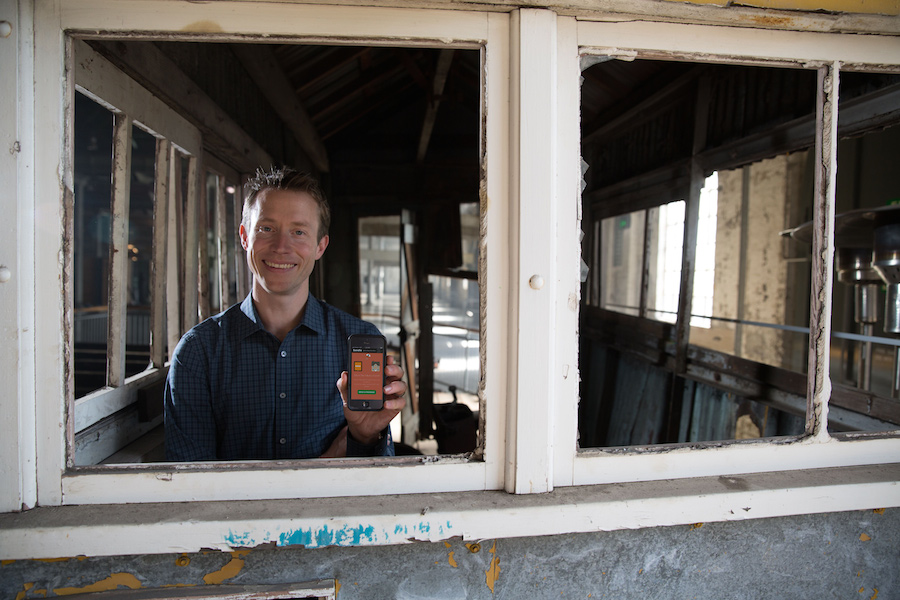
At launch, Sendle cofounder and CEO James Chin Moody said the deal would expose the startup to a truly global customer base.
But the group was rocked in December when major Sendle investor Federation Asset Management alleged deficiencies in ACI Logistix’s financial disclosures.
Federation subsequently froze the fund containing its Fast Group stake, rattling other investors in the process.
Despite Sendle raising more than $100 million since its debut in 2014 – including emergency funding from Federation – Fast Group reportedly failed to secure extra capital through its most recent hardship, leading the board to vote in favour of a total shutdown.
Parties to Fast Group are now assessing the fallout, with Federation pursuing recoveries for financial backers.
While stakeholders focus on the merger, some senior Sendle personnel were deeply concerned by Sendle’s trajectory even before the three-way deal.
A source with close knowledge of Sendle’s operations called its blockbuster 2021 capital raise – which injected $45 million into the business – a turning point for the venture.
At the time, Sendle leadership and key investor AP Ventures, now Touch Ventures, said the raise would supercharge an American growth plan launched in 2019.
Parcel volumes had increased tenfold since its US debut, Chin Moody said. Investors eyed even greater growth in the potentially lucrative market.
But some senior Sendle personnel internally questioned the American expansion, the source said.
The US plan relied on significant volume growth, but aggressive spending on personnel and marketing contributed to thin margins on each delivery.
Cost of living pressures also challenged US consumer spending in 2022, which Touch Ventures said had an “impact on the company’s growth trajectory and general outlook”.
That year, market volatility, and the cost of its US expansion plan, saw Sendle raise additional capital from existing investors and undertake a round of layoffs.
In its 2023 annual report, Touch Ventures said Sendle “continued to build its US partnerships with courier networks and aggregators, showing positive momentum with year-on-year growth and margin improvement”.
But “cash burn remains high”, the report added, corroborating fears of high spending within the logistics scaleup.
Through those challenges, Sendle could have tempered its expansion plans and instead worked towards breaking even, the source claimed.
Sendle did have opportunities outside of pure US expansion: it became a Shopify delivery partner in 2020, joining international titans like FedEx, UPS, and DHL.
Sendle could have become a “giant killer” by doubling down on that native integration and similar e-commerce platform deals, the source said, claiming the Shopify partnership heavily bolstered its revenue.
And Australia, Sendle’s home territory, remained a bright spot for the business. Despite being far smaller than the potential US market, Sendle’s Australian operations were profitable as of 2024, said Chin Moody.
But some insiders feared the 2021 raise put too much force behind Sendle’s US expansion plans, and increased hopes of even greater investment in the future, making a smaller, more conservative approach a tough sell to other stakeholders.
Merger or exit the ‘only way out’
Sendle kept driving into North America, but by 2023, it was “actively working on extending its cash runway and/or pursuing exit options,” according to Touch Ventures.
Sendle ultimately raised $16 million in 2024, in an unusual deal that heavily preferenced new investors in case of a liquidity event, while diluting earlier investors who did not take part.
The source feared Sendle would have had little option in 2025 but to make the merger deal.
A sale or merger would likely have been “the only way out” for the business, they said.
James Chin Moody was contacted for comment through Sendle, but has not responded.
- This story first appeared on SmartCompany. You can read the original here.






Daily startup news and insights, delivered to your inbox.