


















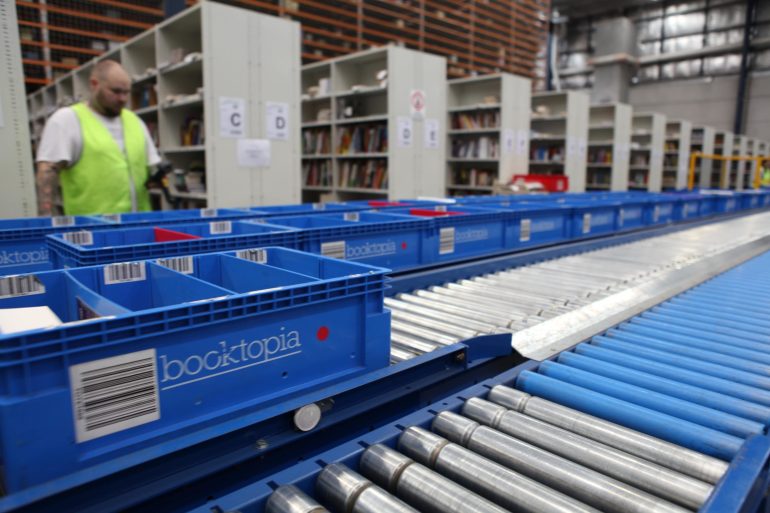
Shant Kradjian, the owner of consumer electronics retailer digiDirect, has acquired the assets of failed ASX-listed Booktopia in a deal that will bring the online bookseller back online and out of administration.
The sale price, which has not been disclosed, will not see a return to shareholders.
Booktopia racked up debts of around $60 million, mostly to publishers who supplied books, while customers are owed around 150,000 orders worth $12 million alongside $3 million worth of outstanding gift cards. The new owners are looking at special arrangements to customers with unredeemed gift cards are being explored.
Shares in the Booktopia Group (ASX:BKG) had been suspended since mid-June. McGrathNicol were appointed voluntary administrators of Booktopia and three subsidiaries on July 3, less than four years after the company went public.
The acquisition deal went through on Friday night amid rumours that Kogan.com, Woolworths, Dymocks and QBD Books were also looking at the business. It includes the Angus & Robertson and Co-Op Bookshop brands and around $14 million in inventory.
Booktopia will begin trading again shortly with a full relaunch later this month, alongside a pledge to hire all remaining employees and more than 100 additional people.
digiDirect and Booktopia will remain separate entities.
Kradjian started digiDirect in 2006 at the age of 19 and said he plans to to immediately invest millions into rejuvenating the Booktopia’s inventory.
“digiDirect sells a broad range of consumer goods, and expanding into new retail verticals where we can leverage that experience is something I’ve wanted to do,” he said.
“There are clear opportunities for shared expertise and efficiencies that will eventually create a better experience for Booktopia and digiDirect customers, however that is a conversation for down the road.”
Kradjia said the Booktopia infrastructure and systems are very good, including the automated Sydney customer fulfilment centre, which processed more than 1.8 million orders in the year before the company failed, and now he wants to reestablish trust and relationships with publishers.
“Booktopia is also a wholesale distributor for publishers, exclusively stocking and moving titles from many authors,” he said.
“This is a business that benefits both publishers and Booktopia, and maintaining and building that business is a high priority for us.”
McGrathNicol said Booktopia’s secured creditor, Moneytech, provided funding to the administrators to preserve the business pending the sale. The administrators will now hold a second meeting of the creditors shortly, with details to be announced.
The 20-year-old business, founded in 2004 on the same day as Facebook, listed in December 2020, raising $43.1 million at $2.30 a share for a market capitalisation of $315.8 million.
Booktopia shares were worth $0.045 cents when trading was halted, leaving the business once worth nearly $400 million a market cap of just over $10 million.
But troubles emerged as cofounder and then CEO Tony Nash clashed with directors over control of the business. He was ousted as CEO in early 2022, then as the share price lost 90% of its IPO value, several board members departed.
Things worsened in the first-half of FY24, with results falling well below forecast expectations just as the business invested heavily in scaling up its infrastructure.
Revenue dropped 22%, with units shipped also down 21% from 12 months earlier. The company put the blame on its new $12 million customer fulfilment centre in Sydney, which impacted sales due to lower inventory levels and longer delivery times, alongside a cut in marketing to reduce demand to support the transition.
The NPAT loss was $16.7m, down $12.8m on the prior comparative period and a statutory EBITDA loss of -$4.6m, down $5.9m on the PCP.
A strategic review of the business followed. By mid-May, the company’s Chief Financial Officer, Fiona Levens, had resigned. CEO David Nenke followed soon after.
Nash returned to the executive fold and board in early June to run sales. Within a fortnight the company’s shares were suspended from trade.
digiDirect is best known for selling cameras, videography equipment, computers and phones, both online and via stores in Sydney, Melbourne, Brisbane and Western Australia.






Daily startup news and insights, delivered to your inbox.