













Blackbird has pushed the value of its portfolio up toward $10 billion according to new annual data from the Aussie VC.
The firm has backed 174 companies across Australia and New Zealand, with 40 valued above $100 million and eight now above $1 billion. Blackbird says it’s measuring the internal rate of return at 36% across the $9.9 billion portfolio.
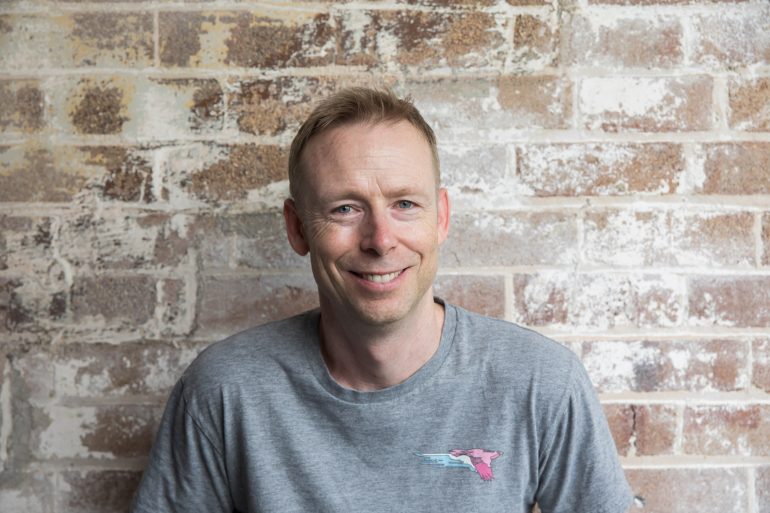
Partner Rick Baker is naturally optimistic after hitting the record portfolio value, driven by uplifts in companies including Canva, Halter, Tracksuit and newer AI bets like Lorikeet.
“After a few years of many flat and sometimes down valuations since the boom times of 2021, it feels like the start-up ecosystem is back to growth and we’re starting to see a return to strong funding rounds at good valuations,” he said.
Blackbird led a round for Lorikeet earlier this year when it was valued at $100 million.
The AI customer service startup runs ‘consierge’ AI agents for the likes of Airwallex, Linktree, Flex and Eucalyptus and recently raised another $54 million.
Last month, Canva got itself a $65 billion re-valuation — up 14.5% on where it was only six weeks prior — as secondary share sales continued to prove fruitful for employees.
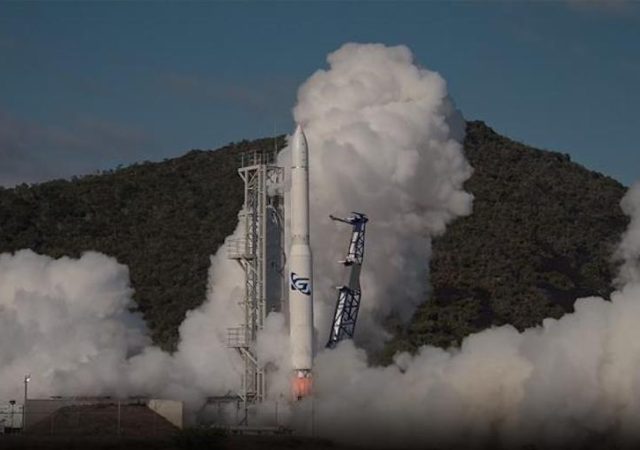
Deep tech is also helping move Blackbird’s portfolio needle with quantum computing heavyweight PsiQuantum raising US$1.5 billion this month at a US$10.5 billion valuation.
Blackbird also lined up a $60 million ticket into Airwallex earlier this year.
Overall, the tune of this particular bird is yet another a positive omen for the state of VC and startups in Australia.
We’ve recently seen activity broadening beyond NSW and Victoria as Queensland’s VC tally rose 37% year-on-year to $417 million in FY25, the strongest since the 2021 market correction.
Policy levers are adding some fuel to the fire. LaunchVic seeded seven new VC funds and a slate of accelerators and investor-education programs in recent weeks to expand early-stage capital. And money from the $15 billion National Reconstruction Fund finally started to flow this year.



Daily startup news and insights, delivered to your inbox.