


















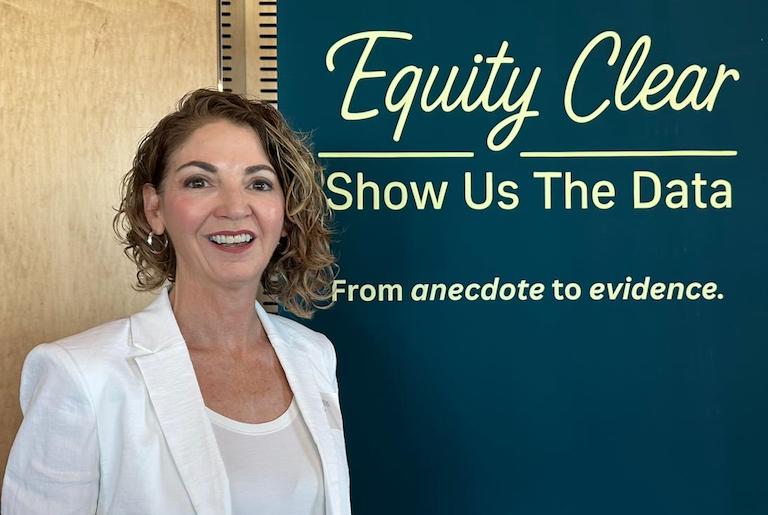
Show Us the Data, a national initiative led by Equity Clear, kicked off in Sydney last week looking to develop a Australia’s first Common Data Standard for Investor Diversity Reporting.
Equity Clear, led by Noga Edelstein, is hosting a series of roundtables in Australia’s capital cities to create an industry-led framework for data standards that shifts the dial on the current fragmented, ad-hoc investment data collection to a shared approach so investors to see what’s happening in their pipelines and track progress over time.
Equity Clear is an idea born from a group of investors dedicated to fostering diversity and inclusion in startups – Giant Leap, Scale Partners and Alberts.
Scale Investors cofounder Samar McHeileh said they set out to shine a light on where capital was – or wasn’t – flowing.
“We never imagined the sheer, electric pace at which the ecosystem would embrace this mission. The volunteer momentum we’ve seen, with over 80 VCs and family offices committing to transparency, isn’t just encouraging; it’s definitive proof that this movement isn’t top-down, but an organic, collective force,” she said.
“It clearly shows this is an idea whose time has truly come, and it makes me incredibly proud of what our community can accomplish together.”
From anecdote to evidence
The inaugural Sydney roundtable brought together people from venture capital funds, angel networks, venture debt providers, family offices, government agencies, including Investment NSW, Queensland Treasury, SA DSD and the WA Dept of Innovation, along with universities and ecosystem organisations to move from anecdote to evidence in the debates about diversity in startup funding.
Edelstein said that while Australia’s startup ecosystem talks a lot about backing diverse founders, there hasn’t been a shared national approach to measuring what’s actually happening in the funding pipeline – from applications and first meetings through to term sheets and capital deployed.
She wants Show Us the Data to change that by designing a Common Data Standard that investors and ecosystem partners can adopt to collect and report diversity data in a consistent, practical way.
“Right now, we’re flying blind. We only measure who gets funded – not who tried, who was overlooked, or why. That means capital allocation remains largely opaque, and often biased,” Edelstein said.
“Show Us the Data is about moving from anecdote to evidence, building the infrastructure that lets us actually see inside the system. Because resources shouldn’t flow to the best-connected – they should flow to the best ideas.”
What Sydney revealed
The Sydney session shared current practices and challenges in collecting investor diversity data, then began mapping out what a workable national standard might look like.
The key themes included:
- Most investors are already tracking something: but without a cohesive, standardised approach, it’s hard to learn from each other or scale what works.
- The willingness to collaborate is high: with VCs, angels, venture debt, family offices, government and universities all expressing a desire to contribute to a shared solution.
- While it’s complex, that’s no excuse for inaction. Participants agreed that legal, operational and cultural challenges are real, but that the energy to do the work together is unmistakable.
“Our startup ecosystem talks a lot about backing diverse founders – but until now, we’ve had no shared way to measure what’s actually happening in the pipeline,” Edelstein said.
“That changes here. Show Us the Data is about building the plumbing the system needs, so we can move from good intentions to measurable progress.”
More roundtables will be held in Melbourne, Adelaide, Brisbane and Perth in the coming weeks.
National framework for 2026
Those insights will feed into a national Show Us the Data report and proposed framework in 2026, providing a roadmap for how Australia’s funding ecosystem can improve transparency and accountability on investor diversity.
Tractor Ventures head of partnerships Liz van Zyl said they constantly see founders who don’t fit the ‘typical’ funding pattern, yet go on to build durable, revenue-generating businesses, and should be recognised.
“A large part of our portfolio are female founders already, but we’d like to see a lot more intentionality around it throughout the entire ecosystem (and continue to move the needle on these numbers!),” she said.
“With a national standardised code like this (that is designed by the industry for the industry), we can all be held accountable for real progress when it comes to increasing diversity in the people being offered a seat at the table and ultimately getting access to the support and funding they need. That’s why Tractor Ventures is backing Show Us the Data.”
Emma Jones, founder of Project F and the T-EDI Standards, was at the Sydney roundtable and praised it as “one of the most meaningful and well-structured discussions I’ve attended” on gender equity in tech.
“Noga ensured the right people were in the room – people with influence, accountability and a genuine desire to drive change,” she said.
“The conversations were candid, the sessions purposeful, and I left feeling optimistic that this series will lead to real, lasting impact across the sector.
Edelstein said there’s growing recognition that we can’t solve Australia’s productivity challenge without unlocking the full potential of the innovation economy.
“That means ensuring capital is flowing efficiently – and equitably – to the best ideas. Getting serious about the data that underpins those decisions is a critical step,” she said.
More on Equity Clear here.







Daily startup news and insights, delivered to your inbox.