









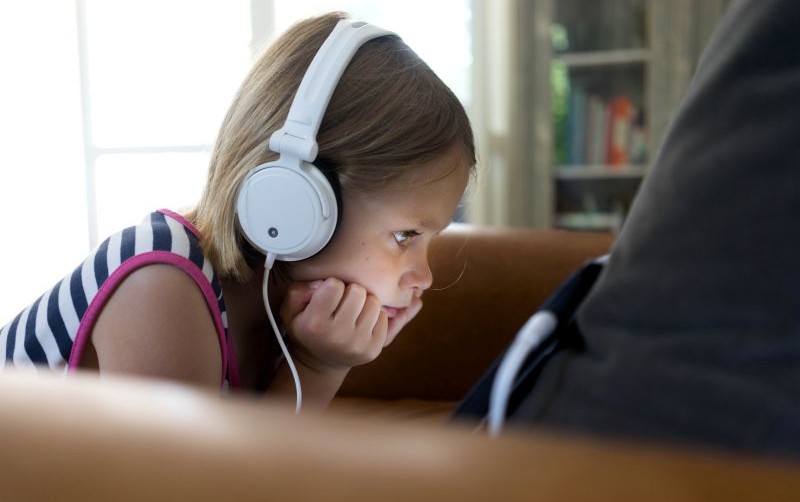
Recently, I had a tough conversation with my 12-year-old son. Australia had just announced that from December 2025, no one under 16 will be allowed to create a YouTube account.
The idea is simple: protect kids from harm. But here’s the problem – this ban won’t do what it promises. In fact, it risks making things worse.
I’m writing this now because the conversation has started in Canberra and across dinner tables, but it’s framed in the wrong way. We’re treating YouTube accounts as the danger when the real risks – and opportunities – lie deeper.
Where the Policy Fails
Ban accounts, and kids won’t stop watching YouTube. They’ll just watch without logging in. That means:
- More ads: Hours of wasted time, even on educational content.
- Less oversight: No-watch-history means parents can’t see what their kids are consuming.
- No protection. YouTube still personalises content even without accounts.
This is the illusion of safety. The government can claim it has acted, while the actual risks – addictive design, cyberbullying, data harvesting – continue unchecked.
What we lose in the process
YouTube isn’t just cat videos. It’s one of the most powerful learning platforms ever created. My son uses it to learn coding, explore history, and even experiment with making his own videos with AI tools. Banning accounts means stifling the very creativity and digital literacy we should be encouraging.
Think about it: our kids will grow up in a world where digital and AI skills are as fundamental as reading and writing. Do we really want to shut the door on a platform that helps them build those skills?
What we should be talking about
The real problem isn’t that children have accounts – it’s that the platform is engineered to keep them hooked. YouTube Shorts are the digital equivalent of junk food: addictive by design, irresistible in the short term, but harmful in the long run.
That’s where policy should focus.
Imagine regulations that target addictive design, enforce age-appropriate settings, and demand stronger protections in comment sections.
That’s how we protect kids – not by pretending the problem disappears when you remove the “log in” button.
Why this matters now
We’ve seen this playbook before. Policymakers go for simple, headline-grabbing bans instead of tackling the harder, structural issues.
But this matters because the digital and AI world isn’t going away.
The choices we make today will shape whether the next generation grows up as passive consumers or active creators.
And here’s the thing: young people themselves have insights we ignore at our peril. My son understood the trade-offs better than most adults debating this policy. If we don’t involve them in shaping solutions, we’ll keep repeating the same mistakes.
My view is simple:
Australia’s YouTube ban for under-16s is a distraction. It creates the illusion of safety while undermining learning and creativity. If we want real impact, policymakers need to go after addictive design, demand transparency from platforms, and – most importantly – bring young voices into the debate.
Because the question isn’t whether kids should be on YouTube. The question is: how do we prepare them to thrive in a digital and AI world that won’t wait until they turn 16?
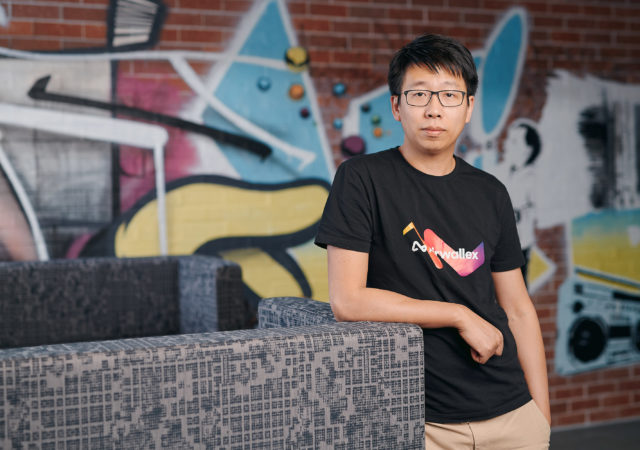
- Will Liang is the CEO of Amplify AI Group.


Daily startup news and insights, delivered to your inbox.