


















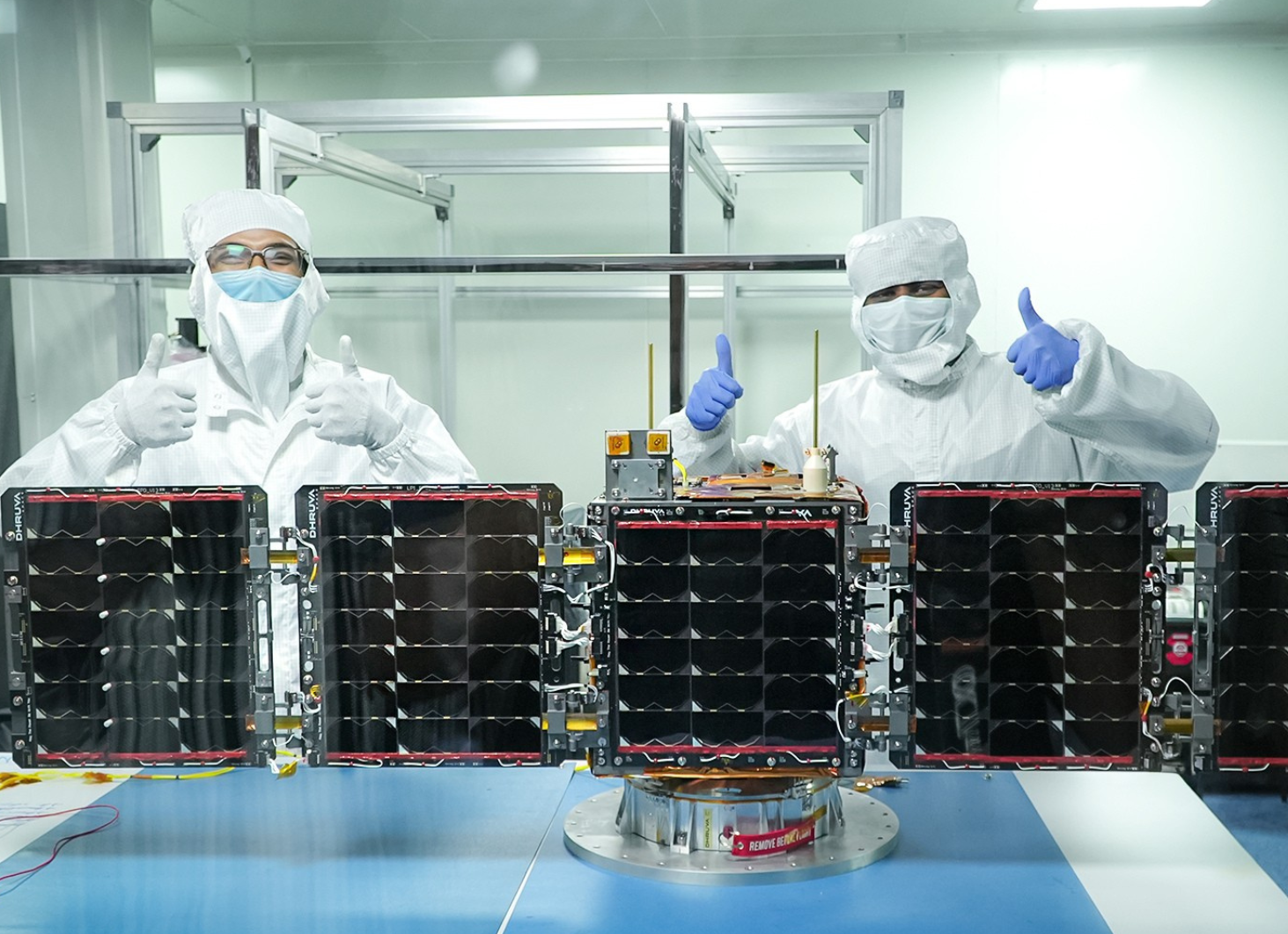
Melbourne deep-tech startup Akula Tech says it has reached orbit with its first mission to put a smart satellite in orbit aboard a SpaceX Falcon 9 rocket that launched from Vandenberg Space Force Base in California on Tuesday.
The payload flew as part of a rideshare with Hyderabad’s Dhruva Space providing the hosted-payload platform that also carried Melbourne rival Esper Satellites’ next-gen hyperspectral imager, OTR-2.
“We wanted to prove that a young, ambitious team could not only build advanced satellites but build them smarter,” said Preetham Akula, CEO of Akula Tech. “Nexus-01 shows that innovation in design and materials can make satellites faster to build, cheaper to launch and more adaptable to mission needs. We’re pioneering a next generation of space companies across the world.”
Akula pitches Nexus-01 as “Australia’s most advanced AI-powered smart satellite”, designed to process hyperspectral sensor data on-orbit and send down insights in near-real time for applications such as bushfire detection and flood mapping.
Nexus-01’s onboard AI engine reduces the latency from satellite images that typically need to be sent back to Earth for analysis.
Akula hitched a ride on Dhurva Space’s maiden commercial hosted payload flight — LEAP-1 — showing how young companies can prove their tech in orbit faster and cheaper than ever in a new era of space flight.
SpaceX’s launch coverage reported on-time liftoff, booster B1063’s return-to-launch-site landing at LZ-4, and successful payload deployments on the mission that included Dhruva’s LEAP-1.
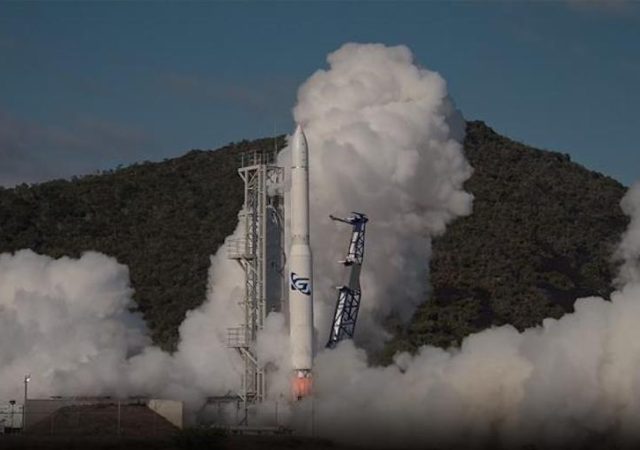
The successful launch is another sign of momentum for Australian space tech following Gilmour Space’s first launch of an Australian-designed and made rocket last month.







Daily startup news and insights, delivered to your inbox.